Buyer guide
Ski Weekend SUVs for Vermont, New Hampshire and the Adirondacks
Which Jeep and Dodge SUVs handle Friday-night drives from New York, Boston or Philadelphia: 4x4 systems, ski cargo space, winter comfort packages and range.
By the Northeast CDJR editors · Updated November 6, 2026 · 6 min read
A Northeast ski weekend starts in traffic. You leave New York, Boston or Philadelphia after work, crawl along I-95 or I-87, and only then turn onto the road that actually climbs. By the time you reach a Vermont notch, a New Hampshire valley or an Adirondack back road, it is dark, cold and probably snowing. The right SUV for this trip holds a line on the final climb, swallows skis and boots without a puzzle, and keeps the cabin warm while the lot clears.
Four-wheel drive that is standard, and four-wheel drive you have to order
Start with how each vehicle sends power to the wheels, because this is where the lineup splits.
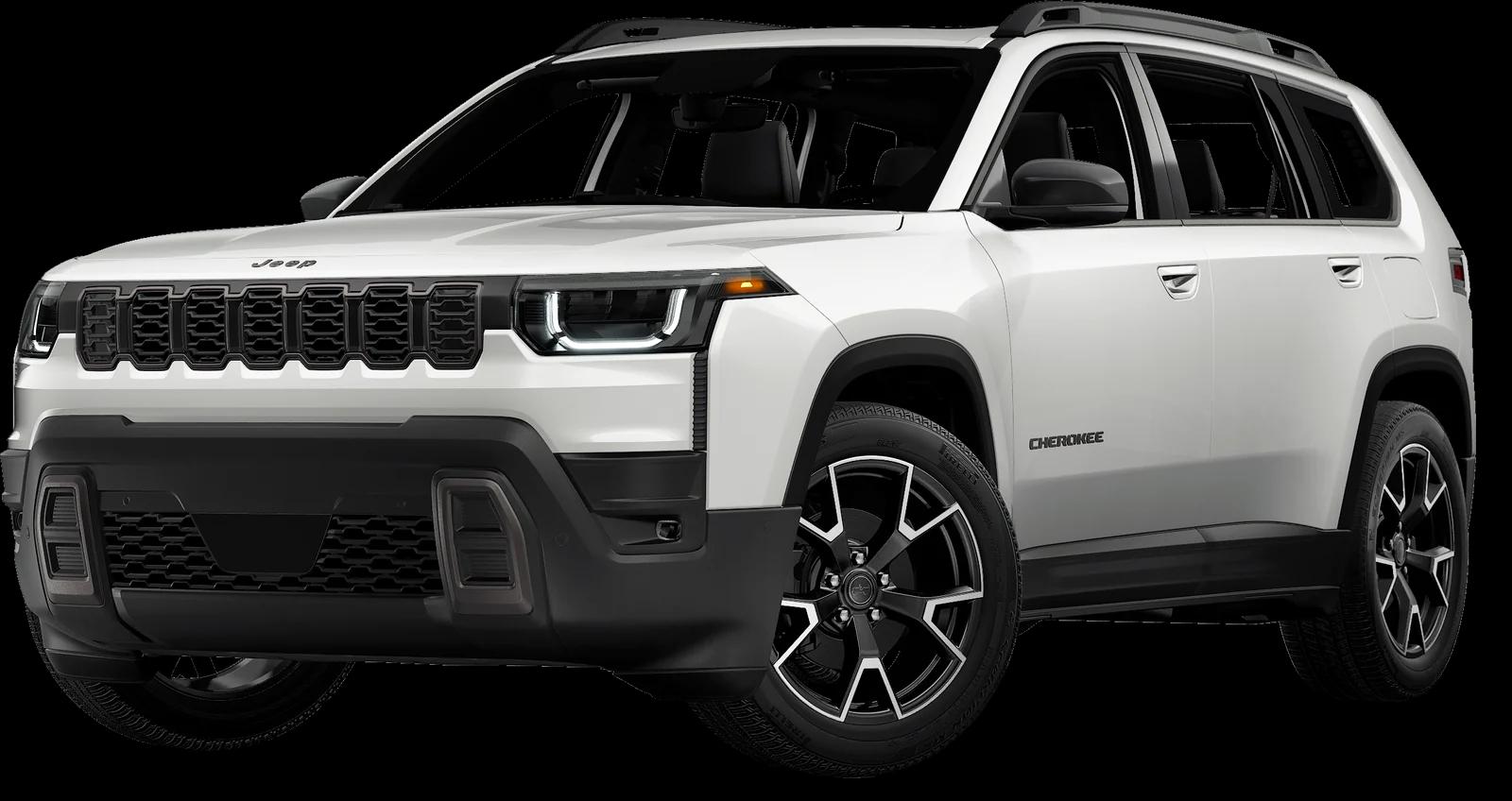
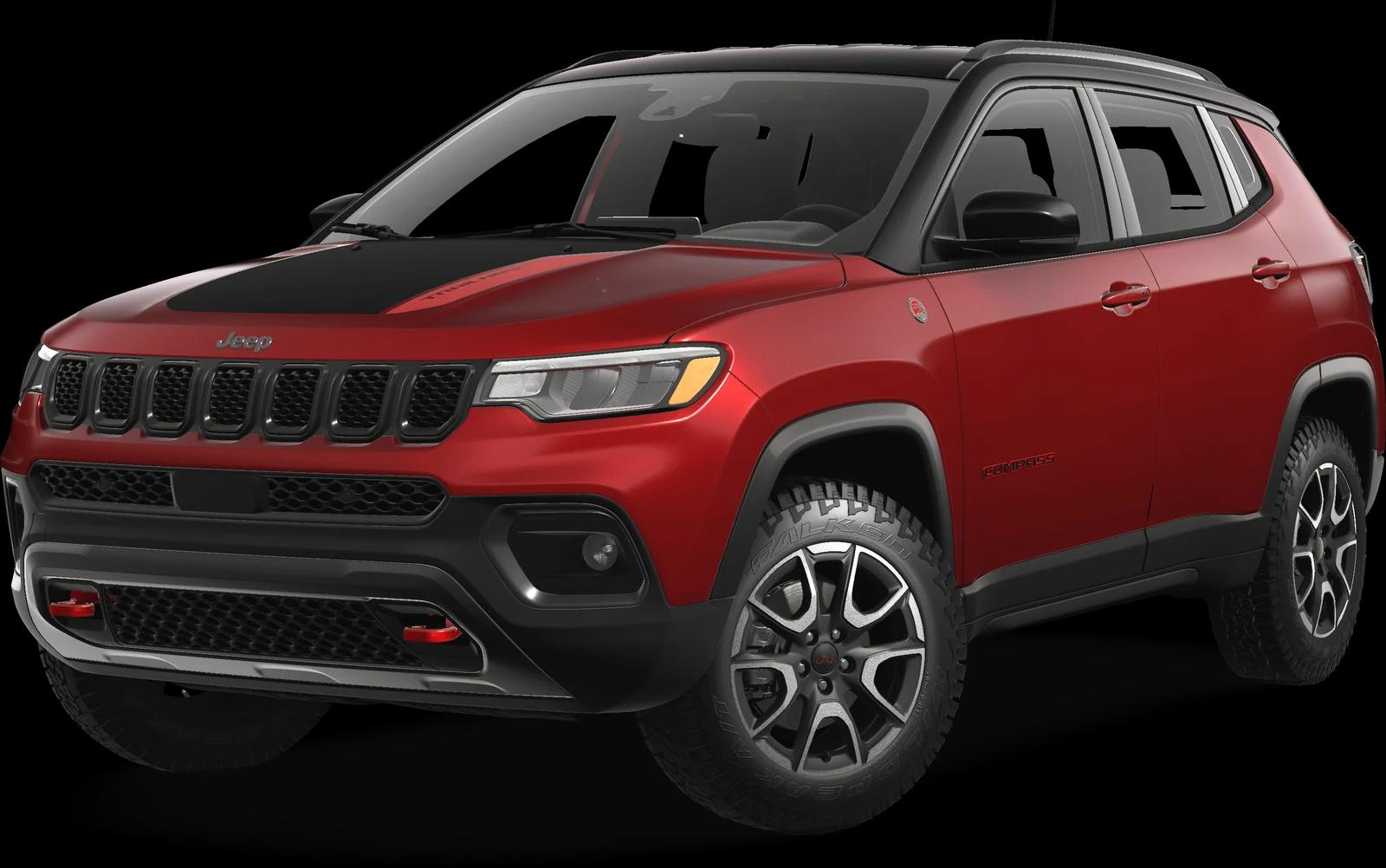
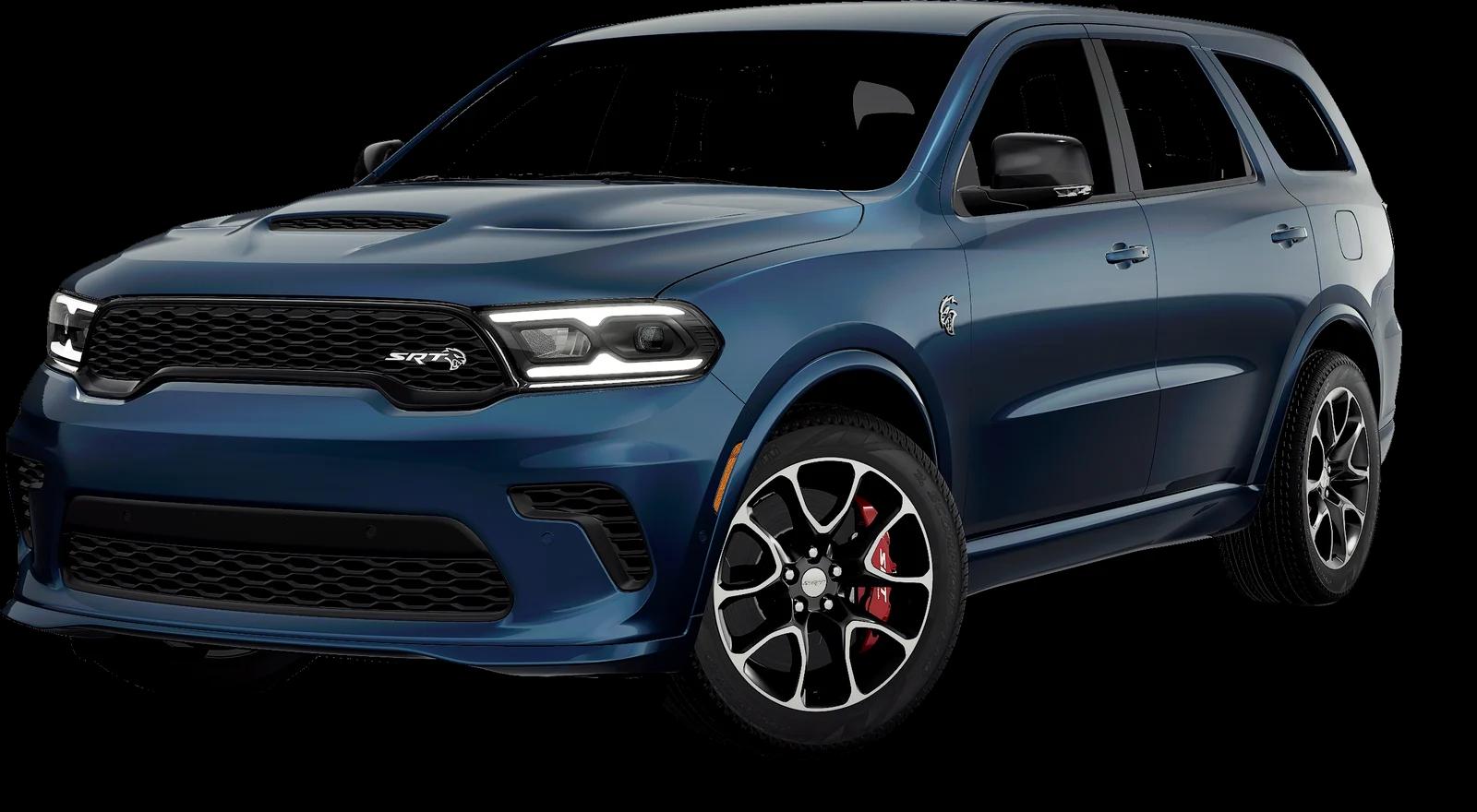
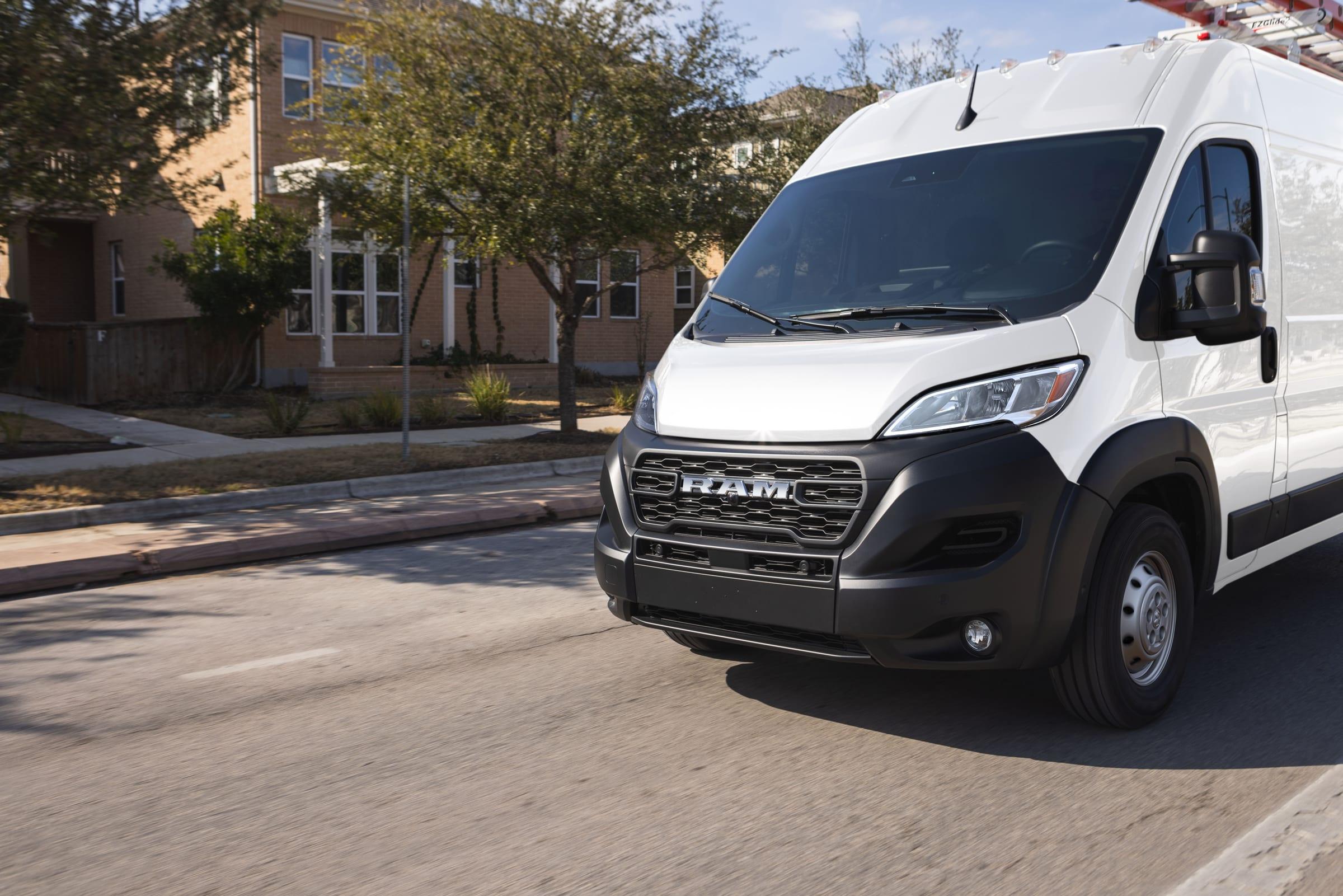
The Jeep Cherokee, Jeep Compass and Dodge Durango drive all four wheels on every trim. The Cherokee uses Jeep Active Drive II, the Compass uses Jeep Active Drive, and the Durango is all-wheel drive from the $43,875 GT AWD HEMI V8 up.
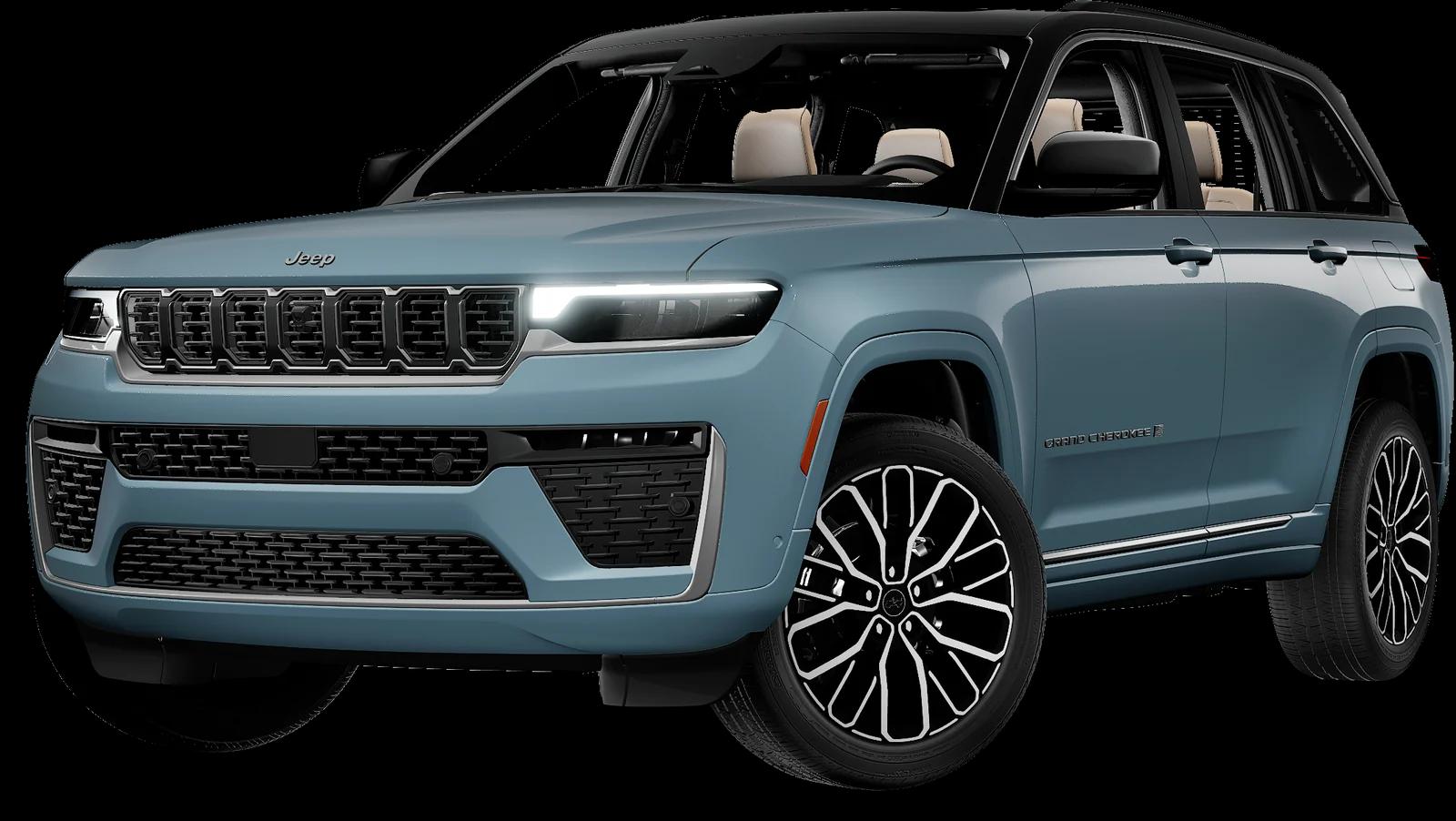
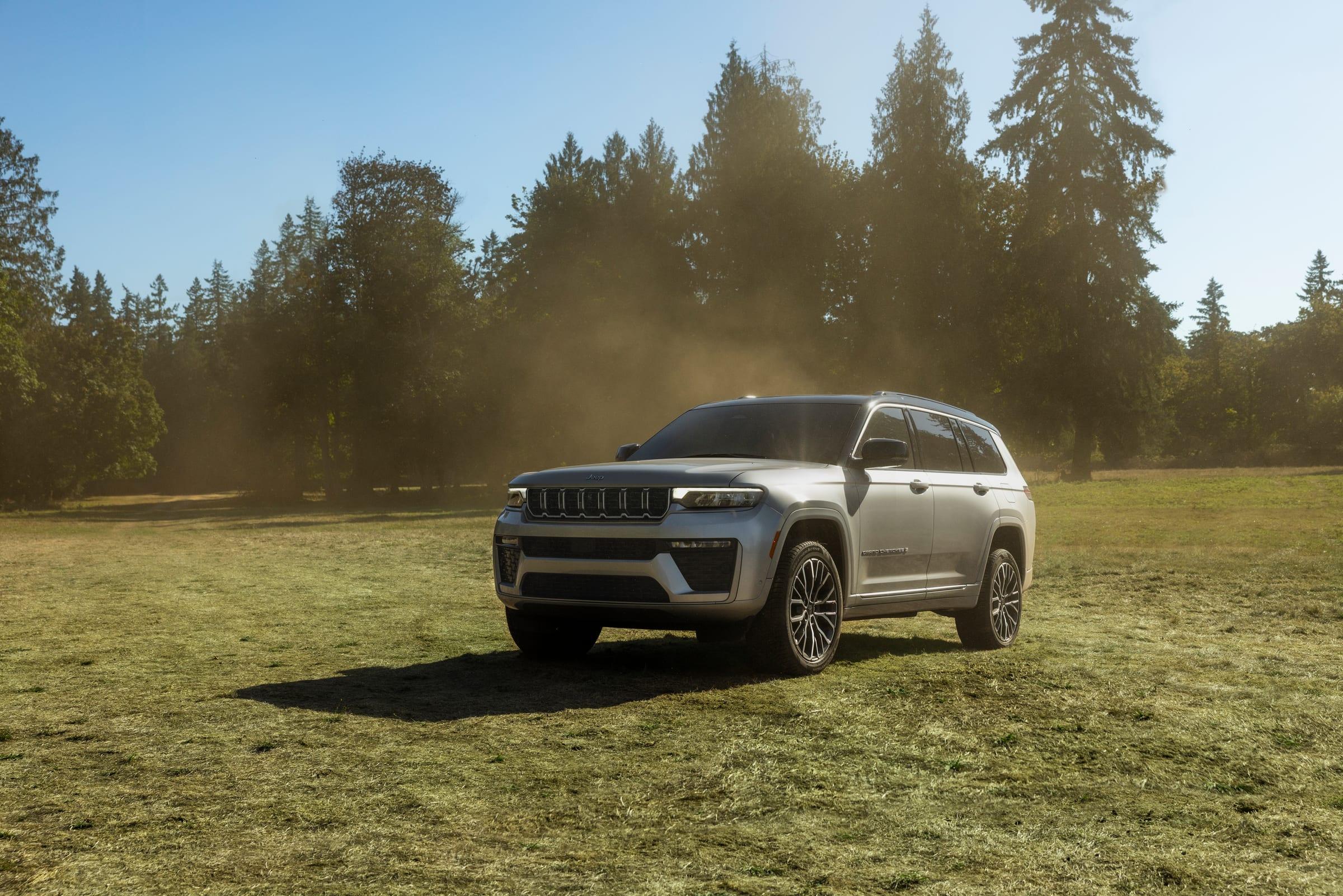
The Grand Cherokee is different. Rear-wheel drive is standard on the lower trims, and 4x4 is optional on Laredo, Laredo X, Laredo Altitude and Limited. It is standard on Limited Reserve, Summit and Trailhawk. If you are shopping a Grand Cherokee for ski country, treat 4x4 as a requirement. Most trims use Quadra-Trac I, and Summit and Trailhawk step up to Quadra-Drive II.
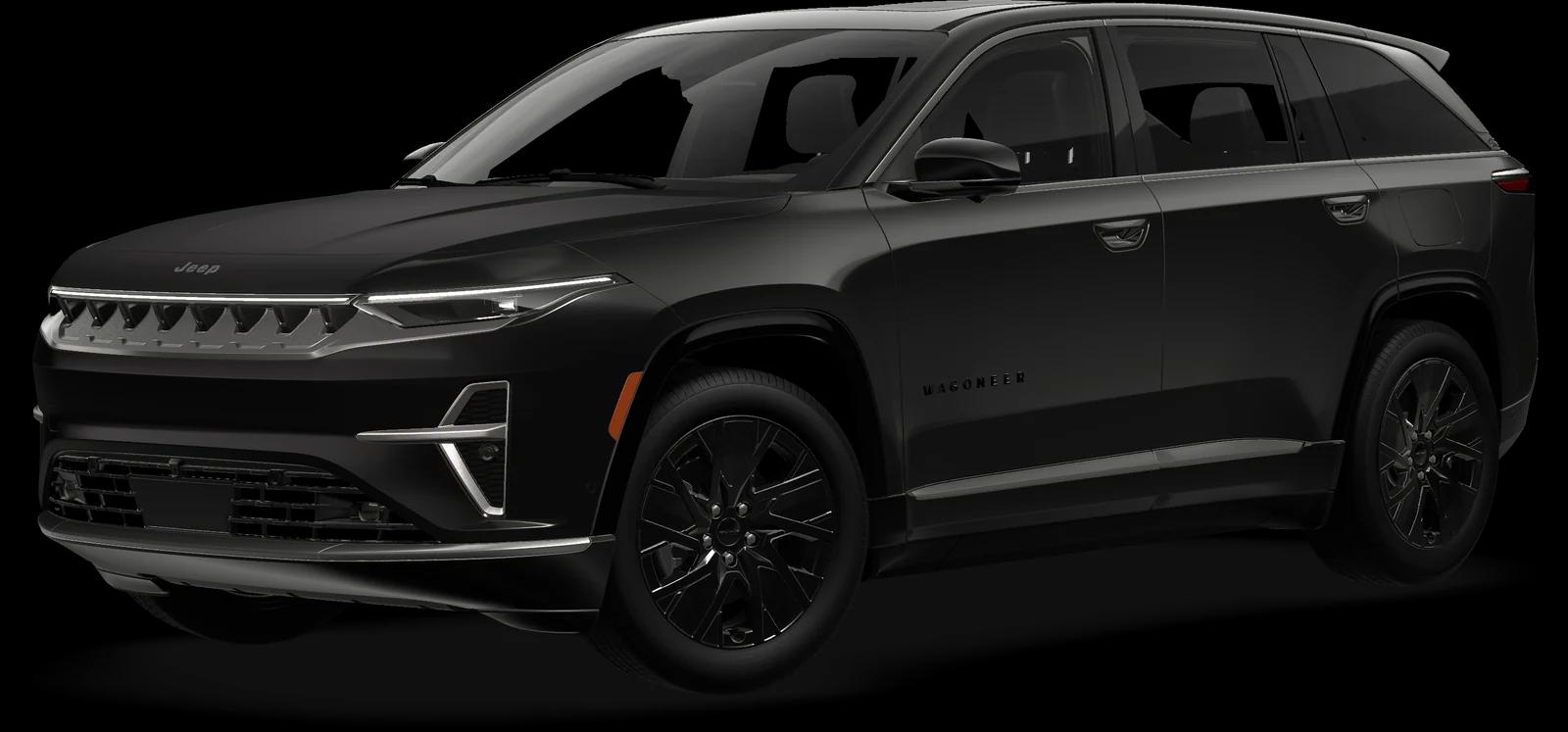
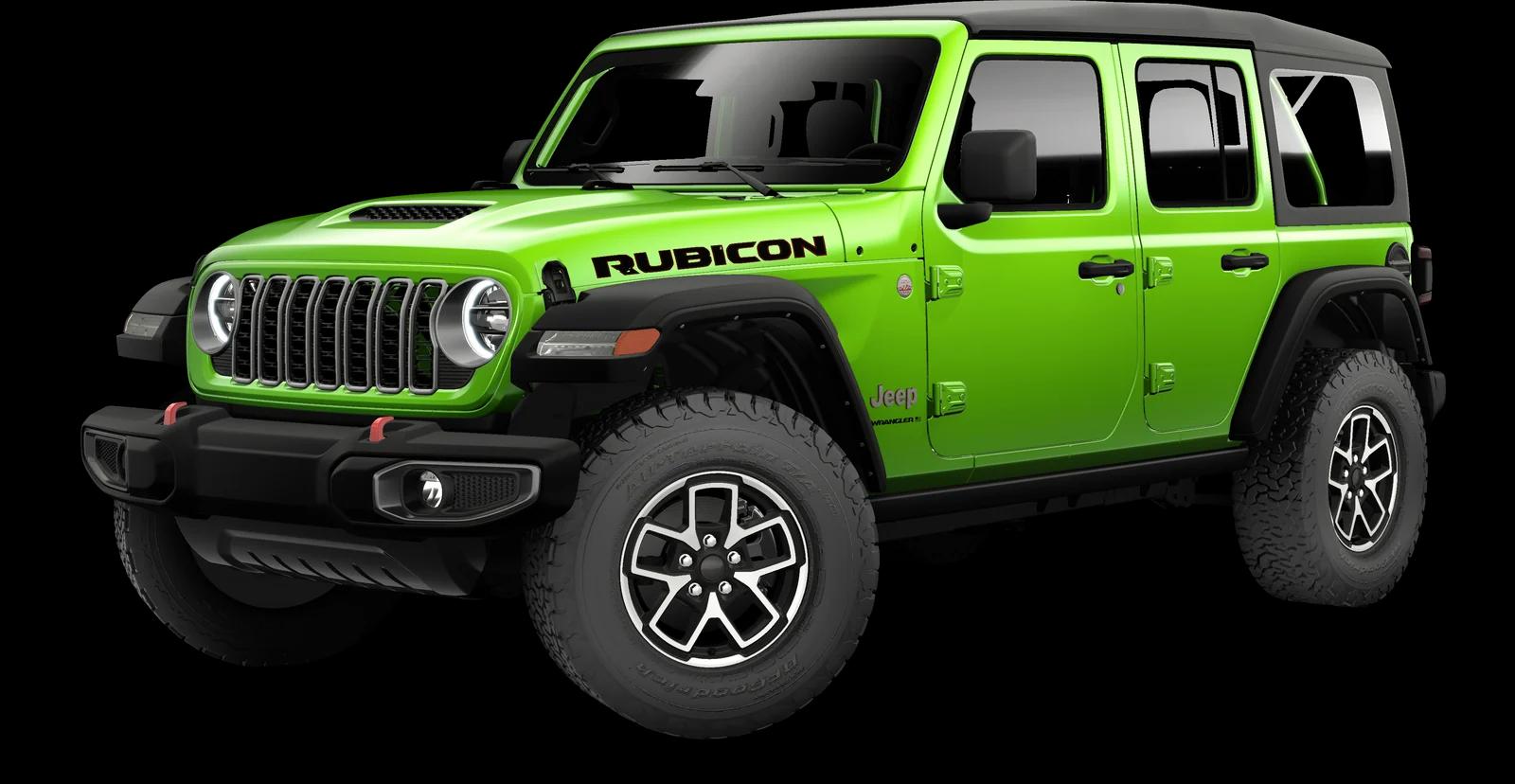
The Wrangler is a true 4x4 with solid axles and a choice of Command-Trac, Selec-Trac or Rock-Trac transfer cases. The Wagoneer S is an electric SUV with a motor at each axle, and its Snow drive mode is part of the standard Selec-Terrain system. Jeep describes it as built for pavement and snow rather than rock trails, which suits a plowed ski road.
Ground clearance matters on unplowed shoulders and plow berms. Jeep lists the Compass at 8.1 inches in 4x4 form, the Grand Cherokee at 8.4 inches on standard suspension and the Durango at 7.8 to 8.0 inches. The Wrangler runs from 9.7 inches on a Sport to 12.9 inches on a four-door Rubicon with the biggest tires. The Wagoneer S sits lowest, at 6.4 inches.
Fitting skis, boots and a family
These cargo figures are with the rear seats folded, which is how most people carry skis inside.
| Vehicle | Cargo, seats folded | Cargo, behind second row |
|---|---|---|
| Dodge Durango | 85.1 cu ft | 43.3 cu ft |
| Jeep Grand Cherokee | 70.8 cu ft (84.6 on the L) | 37.7 cu ft |
| Jeep Wrangler | 72.4 cu ft | 31.7 cu ft (seat upright) |
| Jeep Cherokee | 62.2 cu ft | 29.5 cu ft |
| Jeep Wagoneer S | 61.0 cu ft | 30.6 cu ft |
| Jeep Compass | 59.8 cu ft | 27.2 cu ft |
Volume is only half the story. A group of four with boots, helmets and duffels runs out of floor in a Compass quickly. The Durango and the Grand Cherokee L are the comfortable answers, and the Durango's third row folds to leave 17.2 cubic feet behind it when you need seats instead.
For a roof box or ski carrier, check the rails first. The Cherokee lists roof rails starting on Laredo. The Durango's Blacktop Package, $2,045 on GT and R/T 392 trims, adds black roof rails with integrated crossbars. Crossbars and carriers for the other models come from the accessory catalog, so price them separately, and remember a loaded box adds height. The Compass stands 64.6 inches tall (64.8 with roof rails), which keeps a box within reach.
Heated seats, heated wheel and remote start
A warm cabin before you leave the lodge is worth real money on a January morning. Jeep and Dodge sell it through trim steps and groups, so the cheapest route depends on the model.
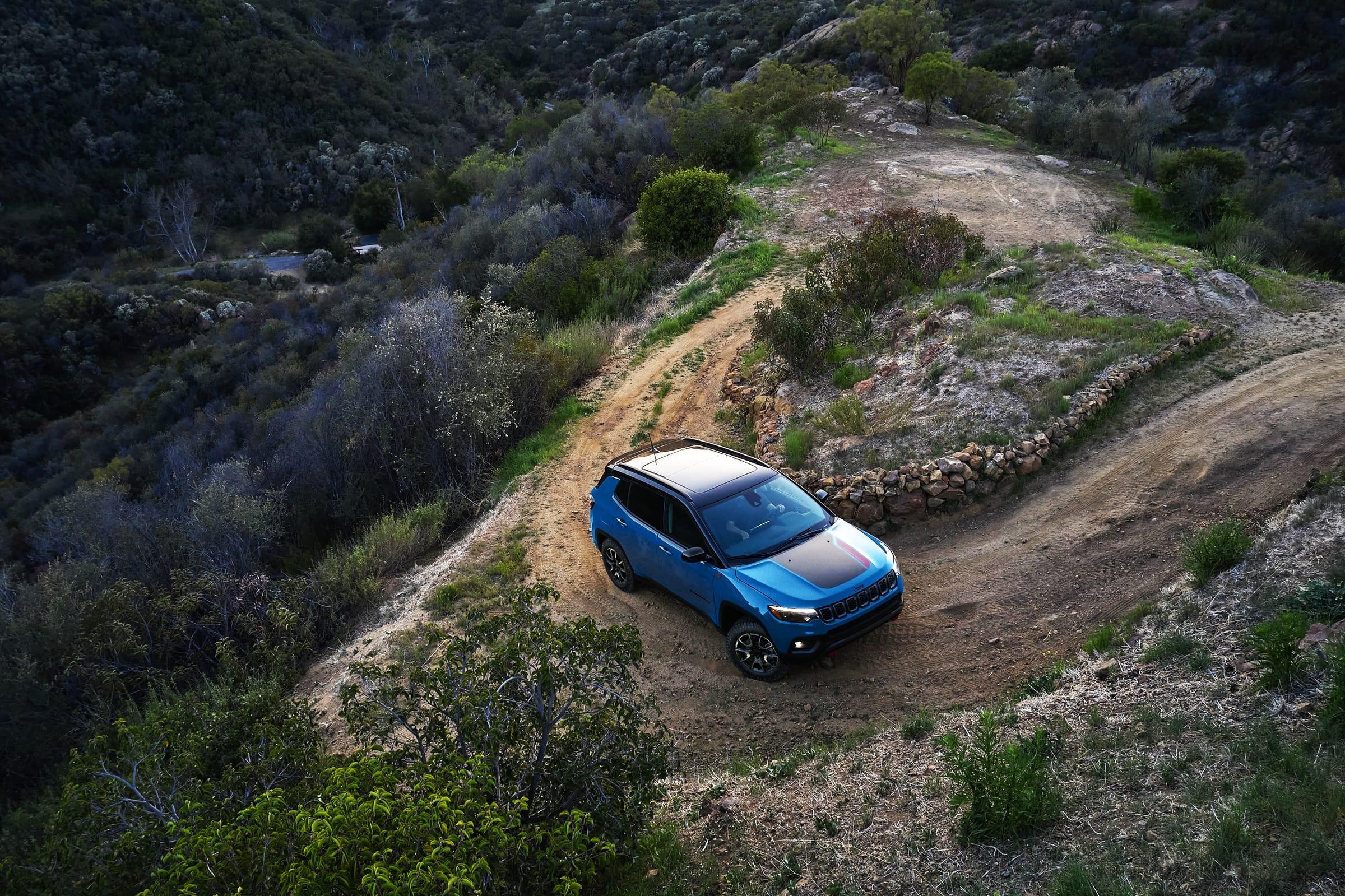
- Compass: Latitude, at $29,990 starting MSRP, already lists heated front seats, a heated steering wheel and remote vehicle start. It is the lowest entry point here.
- Grand Cherokee: Laredo X, from $42,225, adds heated front seats, a heated steering wheel and remote start. Limited, from $45,130, brings heated first-row seats with memory.
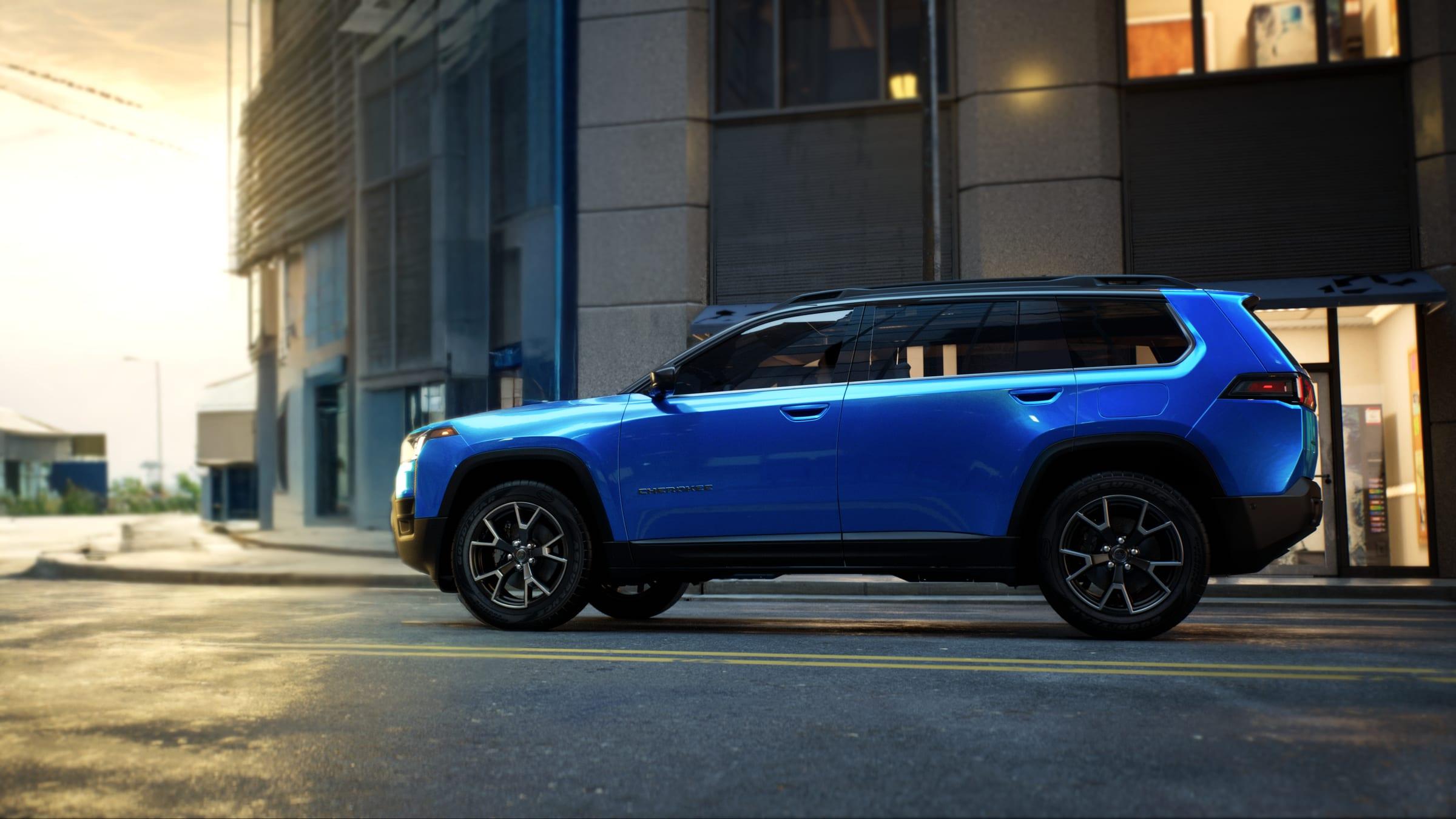
- Cherokee: Laredo, at $38,130, lists a heated eight-way power driver seat and remote start. Limited, at $40,130, adds the heated steering wheel.
- Wrangler: Sahara, at $51,410, lists remote start, heated front seats and a heated wheel. On a Sport S or Willys, remote start arrives through the $1,595 Convenience Group.
- Durango: GT Plus, from $47,475, heats the first and second rows.
- Wagoneer S: Limited includes heated front seats, and Launch Edition heats and ventilates the front and rear seats.
Wiper de-icers are rarer and worth looking for. The Compass Convenience Group ($1,795 on Latitude Altitude) includes one, along with a heated wheel and power liftgate. The Cherokee Overland's Advanced Pro Tech Group ($1,315) and the Grand Cherokee Summit's Advanced ProTech Group IV ($495) include them too. Package contents and prices change, so confirm when you configure.
Steep driveways and unplowed access roads
Rental condos and cabins often sit at the end of a short, steep, shaded driveway that the plow and the sun reach last. Tires matter more than badges here. Any vehicle on this list handles a packed driveway on winter tires, and none reliably handles a glazed one on tired all-seasons.
The Wrangler's solid axles and extra clearance help on rutted approaches and Vermont dirt roads. The Durango's weight, which Dodge puts at roughly 5,300 to 5,600 pounds, feels planted on the highway but does not help a steep icy turn. The Wagoneer S needs the most thought. With 6.4 inches of clearance, it suits plowed roads better than a deep unplowed track.
If you tow a sled trailer or a small camper to the mountain, the Grand Cherokee's 6,200-pound rating (the Trailer-Tow Package is $995 on most trims) and the Durango's 7,200 to 8,700 pounds give you margin. The Cherokee is rated for 3,500 pounds, the Wagoneer S for 3,500 and the Compass for 2,000.
How far you get on a tank
These are my own rough estimates, worked out from tank size times the EPA highway rating. They are not manufacturer range claims, and cold, roof boxes and mountain grades all cut into them.
- Grand Cherokee (turbo, 4x4): 23 gallons at 25 mpg highway, about 575 miles.
- Durango (5.7L V8): 24.6 gallons at 22 mpg, about 540 miles.
- Cherokee hybrid: 13.7 gallons at 35 mpg, about 480 miles.
- Wrangler four-door (3.6L V6): 21.5 gallons at 22 mpg, about 470 miles.
- Compass: 13.5 gallons at 29 mpg, about 390 miles.
- Wagoneer S: no tank, but an EPA range of 294 miles that shrinks in deep cold.
The Cherokee hybrid goes the farthest for its size, and Jeep itself cites more than 500 miles per tank. The Compass has the shortest leg, so plan a fuel stop on the way home before the gauge gets low. The Wagoneer S needs a charging plan: a DC fast charger takes it from 20 to 80 percent in about 23 minutes, according to Jeep, but cold lowers the 294-mile EPA figure, so look at charger locations near your lodge before you commit.
Picking by how you ski
For a family of four with real luggage, the Grand Cherokee (or the longer L) and the Durango are the safest choices. For a couple who wants a lower price and a smaller fuel bill, the Cherokee hybrid and the Compass make sense, as long as you add winter tires and accept the smaller load floor. The Wrangler is the pick for dirt-road cabins and anyone who wants clearance. The Wagoneer S suits a household with a home charger and a plowed approach.
Starting MSRPs exclude destination and change often, so use these numbers to compare steps between trims rather than as a quote.