Northeast guides · NJ
New Jersey Commuting, Shore Traffic and Nor'easters: Finding the Right Vehicle
New Jersey is the most densely populated state in the country, and its driving shows it: Turnpike and Parkway commutes, packed North Jersey blocks, jammed Shore routes in July and storm surge in the fall. This guide matches new Chrysler, Dodge, Jeep and Ram vehicles to those pressures, using manufacturer figures to keep the picks grounded.
Our picks for New Jersey
Turnpike and Parkway commutes that eat the week
A New Jersey commute often means the Turnpike, the Garden State Parkway, I-78, Route 3 or Route 17, any of which can turn into a parking lot by 7:30 in the morning. When you spend ten hours a week in traffic, fuel economy and seat comfort stop being minor details.
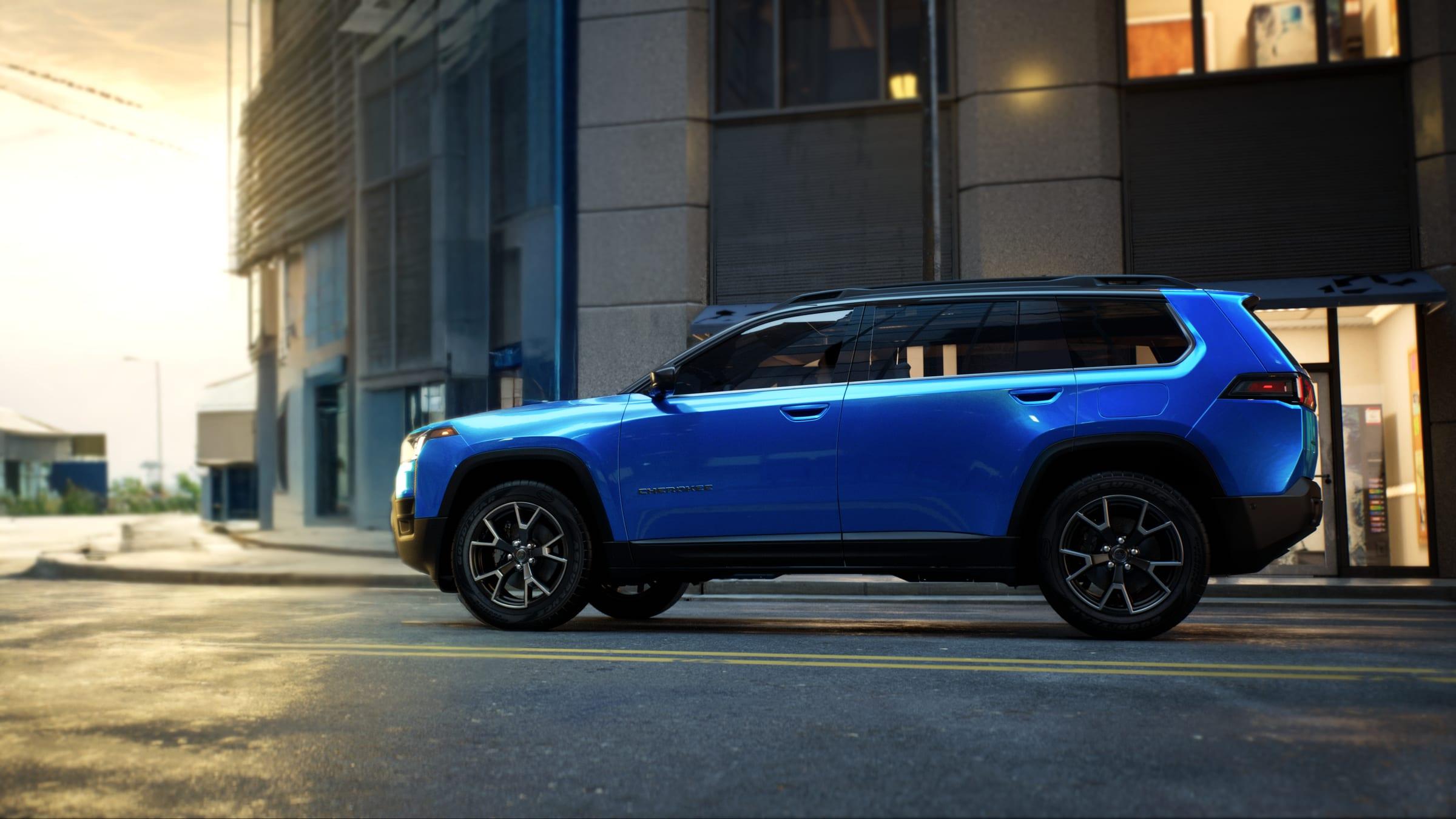
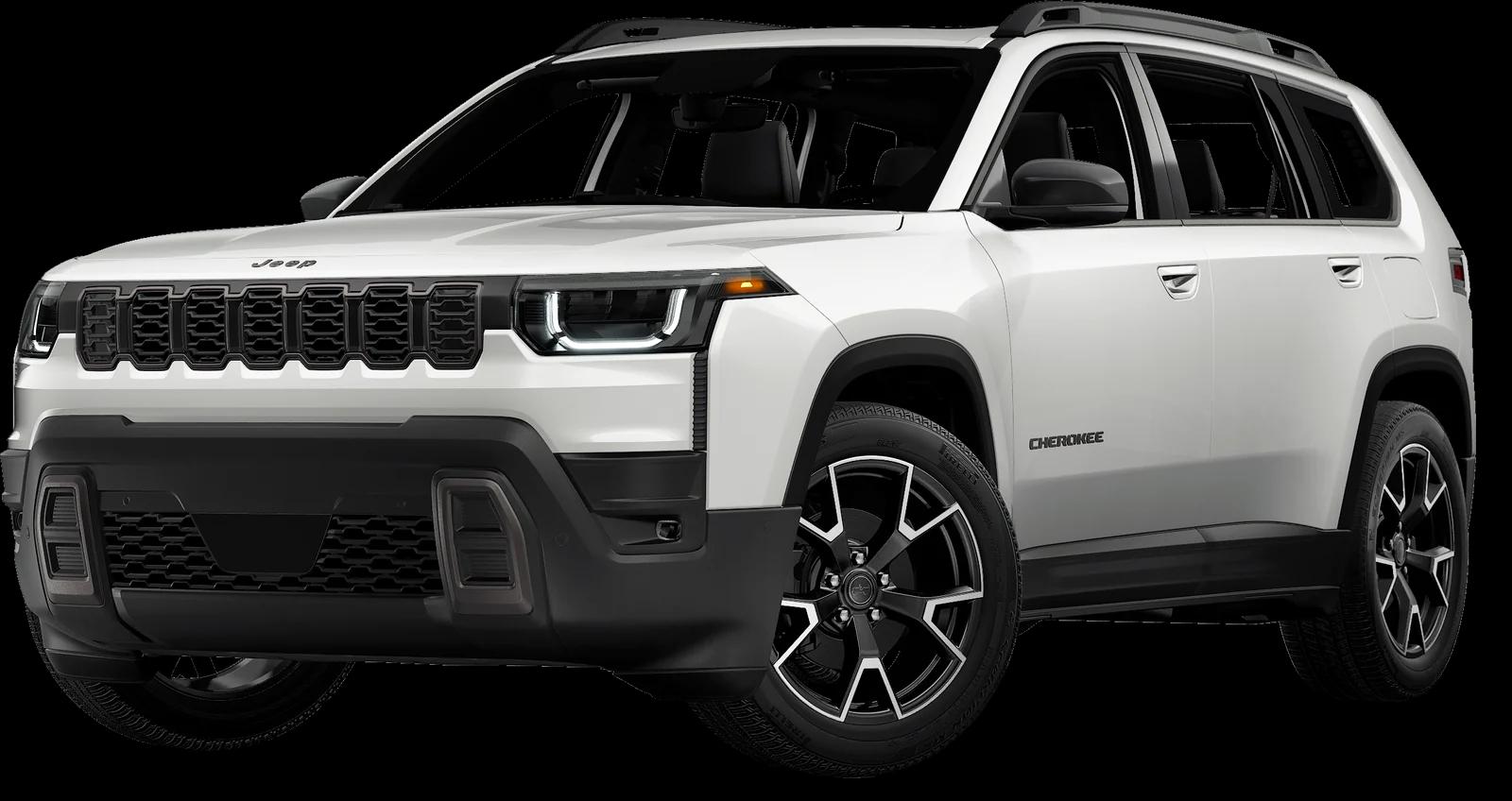
The Jeep Cherokee hybrid is built for that math. Jeep lists 210 horsepower combined from a 1.6-liter turbo four plus electric motors and estimates up to 39 mpg in the city and 37 combined, with more than 500 miles per tank. It charges itself through braking, so there is no plug to think about. Starting MSRP is $35,130 before destination, and prices change.
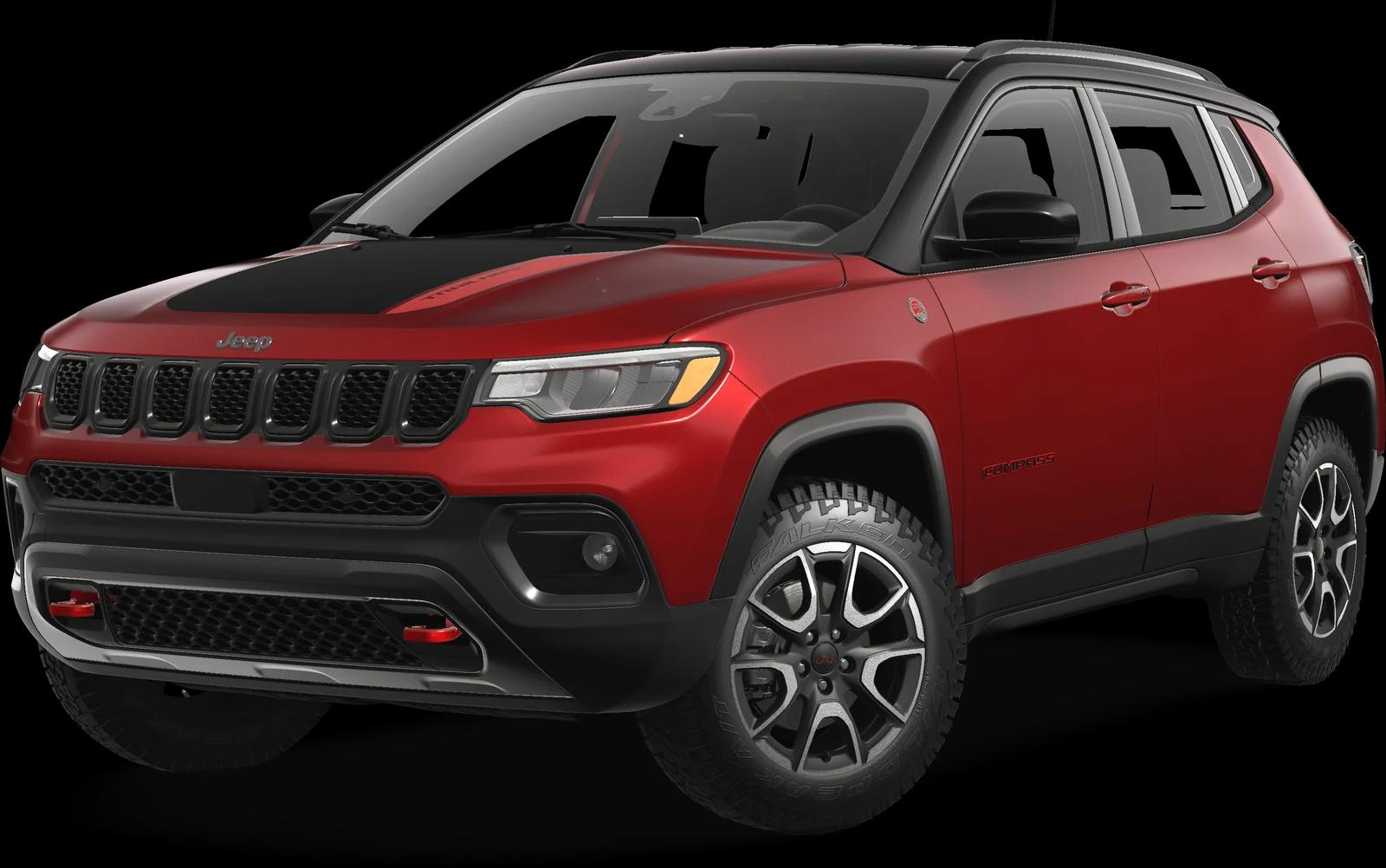
If you prefer a gas-powered crossover, the Compass is rated at 21 city and 29 highway mpg, with a 13.5-gallon tank and starting MSRP of $29,990 before destination. It is the lower-cost entry point in the lineup.
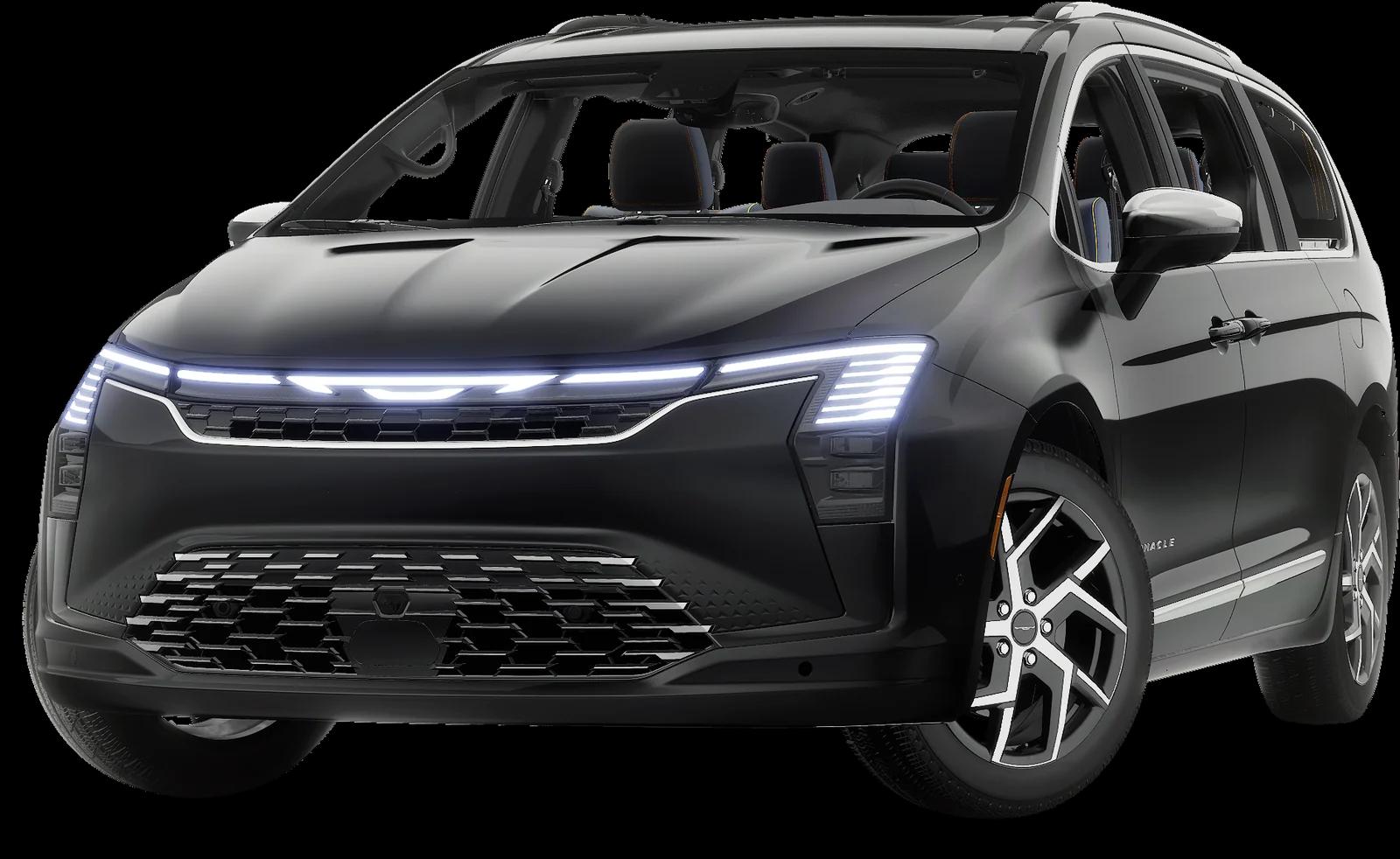
For commuters who carry kids, sports gear and carpool groups, the Chrysler Pacifica holds seven or eight with Stow 'n Go seating. Chrysler lists 19 city and 28 highway mpg in front-wheel drive.
Check NJ Transit, the New Jersey Turnpike Authority and the Garden State Parkway for current traffic and lane information, since conditions change by the hour.
Newark, Jersey City and the North Jersey parking puzzle
Newark, Jersey City, Hoboken and the inner suburbs bring the same parking problems as New York City, minus the subway. Streets are narrow, driveways are shared and garages are priced by the month. A smaller footprint saves daily frustration.
The Compass is the practical compact, at 173.4 inches long and 73.8 inches wide with mirrors folded. Its 36.3-foot turning diameter helps on tight blocks. If you like the hybrid idea, the Cherokee is 188.1 inches long but returns far better city mileage.
Apartment living changes the electric question. The Jeep Wagoneer S lists about 6 hours on Level 2 from 20 to 80 percent and 32 hours on a household outlet; the Recon lists about 6.8 hours on Level 2 for 5 to 80 percent. Without a dedicated plug at your building, you would rely on public DC fast charging, which both models support at around 23 to 28 minutes. Decide how realistic that routine is before choosing an electric Jeep.
Trades and delivery drivers working Hudson County should consider the ProMaster City cargo van: Ram lists over 167 cubic feet of cargo space and 2,200 pounds of payload, with a cargo height of 54 inches. Measure any garage clearance before you rent a spot.
Summer at the Shore: Route 35, the Parkway and beach gear
From Point Pleasant to Cape May, July weekends send hundreds of thousands of cars toward the barrier islands, and the drive can take twice as long as the map suggests. Beach days mean chairs, coolers, umbrellas and kids, so cargo capacity and cabin comfort are the priority.
The Chrysler Pacifica is the Shore family vehicle, with up to 140.5 cubic feet of space when the seats fold into the floor. A boogie board, two coolers and a wagon fit with room to spare. The Durango offers three rows and tows up to 8,700 pounds, useful for a boat on a trailer headed to the bay.
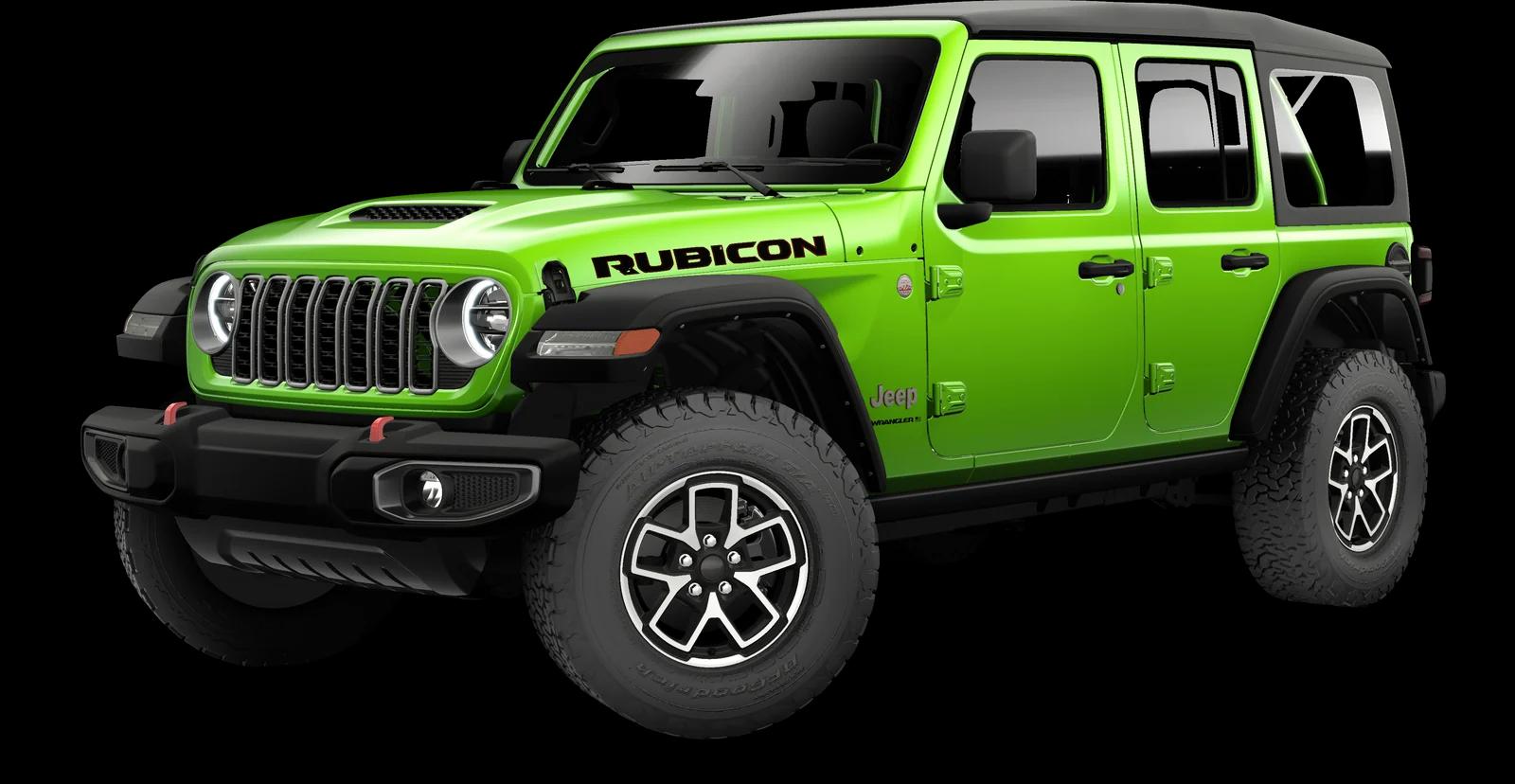
For a fun second vehicle at a Shore house, the Wrangler two-door has a 32.7-foot turning diameter, the tightest in the lineup, which helps in crowded beach block lots. Starting MSRP is $36,635 before destination.
Beach driving, where it is permitted at all, is governed by local and state rules and permit systems that differ by town and change from year to year. Check with the New Jersey Department of Environmental Protection and the municipality before bringing any vehicle onto sand.
If you work seasonally at a Shore business, the ProMaster City handles deliveries to restaurants and shops along crowded boardwalks without being too wide.
Pine Barrens sand roads and forest tracks
Southern New Jersey holds a million acres of pine forest, cedar swamps and sandy two-track roads that few outsiders know about. These roads are soft, rutted and sometimes flooded, and a front-wheel-drive crossover can bog down quickly.
The Wrangler is the benchmark for this terrain. Jeep lists ground clearance from 9.7 inches on the Sport to up to 12.9 inches on the four-door Rubicon, and fording depth from 30 inches on Sport and Sahara to 34 inches on the Rubicon with larger tires. The 3.6-liter V-6 makes 285 horsepower and the 2.0-liter turbo makes 270, both with four-wheel drive.
The Gladiator gives you the same off-road hardware with a pickup bed. It lists up to 12.9 inches of clearance, up to 31.5 inches of fording and up to 1,720 pounds of payload. It is longer, at 218 inches, with a 44.5-foot turning diameter on Sport and Willys trims, so it is less nimble on tight forest trails.
Lower tire pressure helps on sand, but you will need a way to re-inflate. Carry a compressor, recovery boards and a shovel, and never go alone.
Access rules for state forests and wildlife management areas vary, so confirm open roads and any permit requirements with the New Jersey Division of Parks and Forestry before you head in.
Nor'easters, tidal flooding and storm-season choices
New Jersey's coast and bayshore flood in strong storms, and nor'easters can push water over roads at high tide even without heavy rain. Superstorm Sandy in 2012 made that clear, and routes near the Raritan Bay, the back bays and the Meadowlands still flood in smaller events.
Ground clearance and the electrical placement of the vehicle matter less than the rule that you should never drive into floodwater. Depth is hard to judge, and moving water can sweep a vehicle off the road. Fording ratings, like the Wrangler's 30 to 34 inches and the Cherokee Trailhawk's 24 inches, apply to off-road use under controlled conditions, not to flooded streets.
If you live in a flood-prone town, the sensible move is to park on higher ground when warnings come. The Grand Cherokee, with 8.4 inches of clearance on standard suspension and up to 11.4 inches on air suspension, gives some margin for roads with standing water, though not an excuse to attempt them. The Wagoneer S sits at 6.4 inches, which is lower.
After any saltwater exposure, rinse the underbody promptly, because salt accelerates rust. Check NJ Office of Emergency Management alerts and county evacuation routes before storms, and keep your phone charged and your tank at least half full.
New Jersey buyer FAQ
What is the most fuel-efficient new Jeep for a Turnpike commute?
The Cherokee hybrid is the leader in the lineup, with Jeep estimating up to 39 mpg in the city, 37 combined and more than 500 miles per tank. It uses a 1.6-liter turbo four and electric motors for 210 horsepower combined, and the battery charges through braking, so there is no plug required.
Can I drive a Jeep on the beach at the Jersey Shore?
Beach access depends on the specific beach, town and season, and some areas require permits or ban vehicles altogether. Rules also change. Contact the New Jersey Department of Environmental Protection or the municipal office for the beach you plan to use before bringing a vehicle onto the sand. Rules can differ even between neighboring towns.
Is a Wrangler a good choice for Pine Barrens roads?
Yes, it is the most capable option here. Jeep lists clearance from 9.7 inches to up to 12.9 inches and four-wheel drive on every trim. Soft sand rewards lower tire pressure and recovery gear, and you should confirm that the road you want is open to vehicles with the state forest or park manager.
Does fording depth mean I can drive through a flooded road?
No. Fording ratings, such as the Wrangler's up to 34 inches, apply to controlled off-road crossings of known depth. Flooded streets hide potholes, current and debris, and water can stall or float a vehicle. Turn around instead, and let local emergency management say when roads are safe to use. Your safety matters more than the route.
More Northeast guides