Buyer guide
Commuter Picks for the NJ Turnpike, I-95 and the Long Island Expressway
Hybrid and electric efficiency in stop-and-go traffic, adaptive cruise by trim, seat comfort and charging for Northeast commuters in Jeep and Dodge models.
By the Northeast CDJR editors · Updated November 6, 2026 · 5 min read
A Northeast commute rarely moves at one speed. The New Jersey Turnpike flows until it suddenly does not. I-95 turns into a parking lot approaching a bridge or tunnel. The Long Island Expressway tests patience at almost any hour. Commuters in this corridor spend a large share of their driving time creeping along, and that changes which powertrain makes sense.
Why stop-and-go favors electrified drivetrains
A gas engine is least efficient when it idles or crawls. It burns fuel to turn itself over, and every time you brake, the energy that got the vehicle moving is turned into heat at the brake pads.
Hybrids and electric vehicles change that arithmetic. An electric motor uses almost no energy when the vehicle is stopped, and regenerative braking captures some of the energy that would otherwise be lost as you slow. That matters most in traffic, where you accelerate and brake constantly.
The published ratings show the effect. At steady highway speed, wind resistance dominates and the electrified advantage shrinks, which is why city figures for hybrids and electric vehicles tend to beat their highway figures. Gas-only vehicles usually show the opposite pattern, with highway numbers well above city.
The numbers for six commuters
Here are the EPA figures and manufacturer range claims for the models in this guide. Electric vehicles are rated in MPGe, which converts electricity use to a gasoline-equivalent scale.
| Vehicle | City | Highway | Combined | Range |
|---|---|---|---|---|
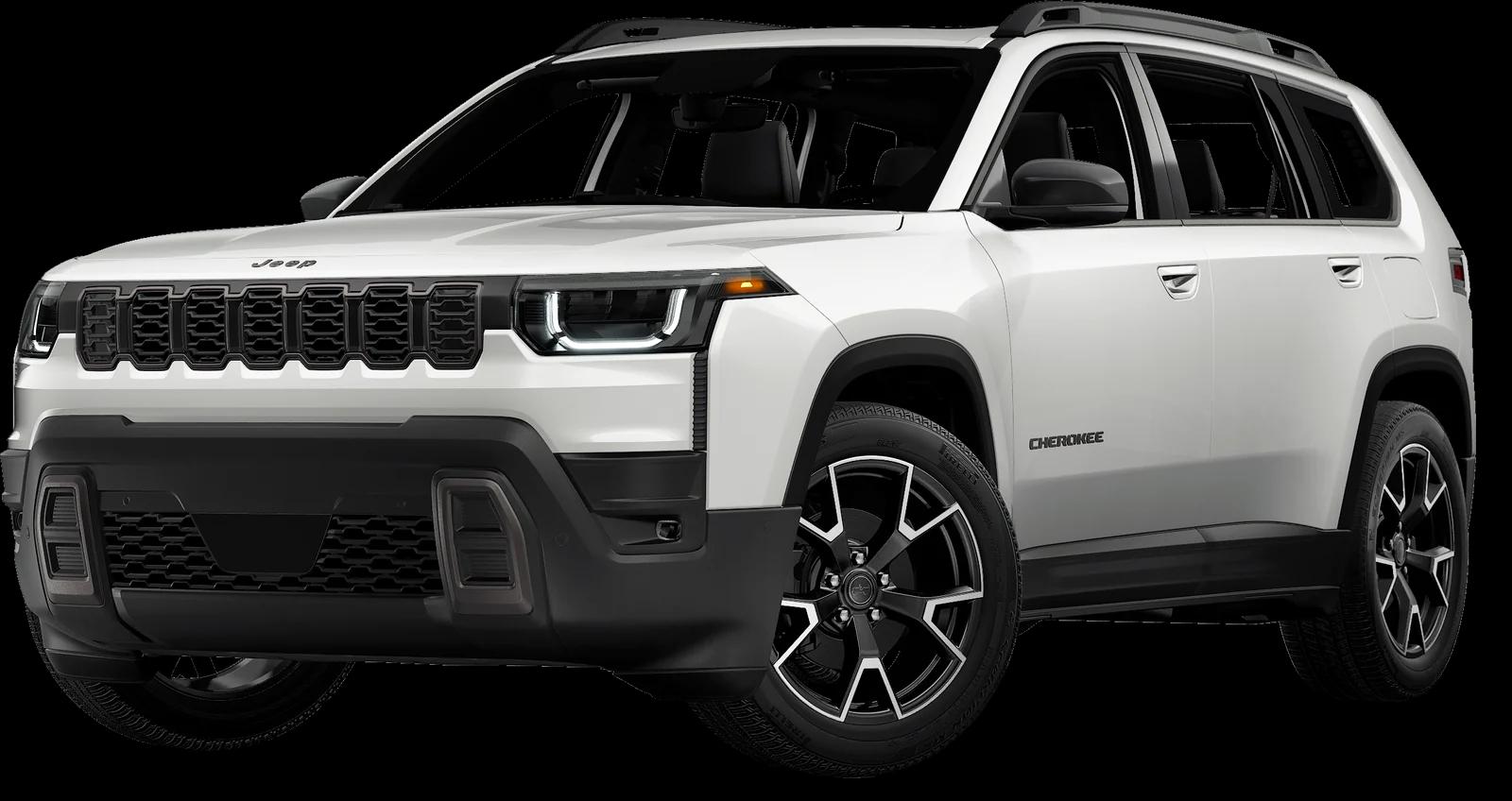
| Jeep Cherokee (hybrid) | 39 mpg | 35 mpg | 37 mpg | more than 500 miles per tank (Jeep estimate) |
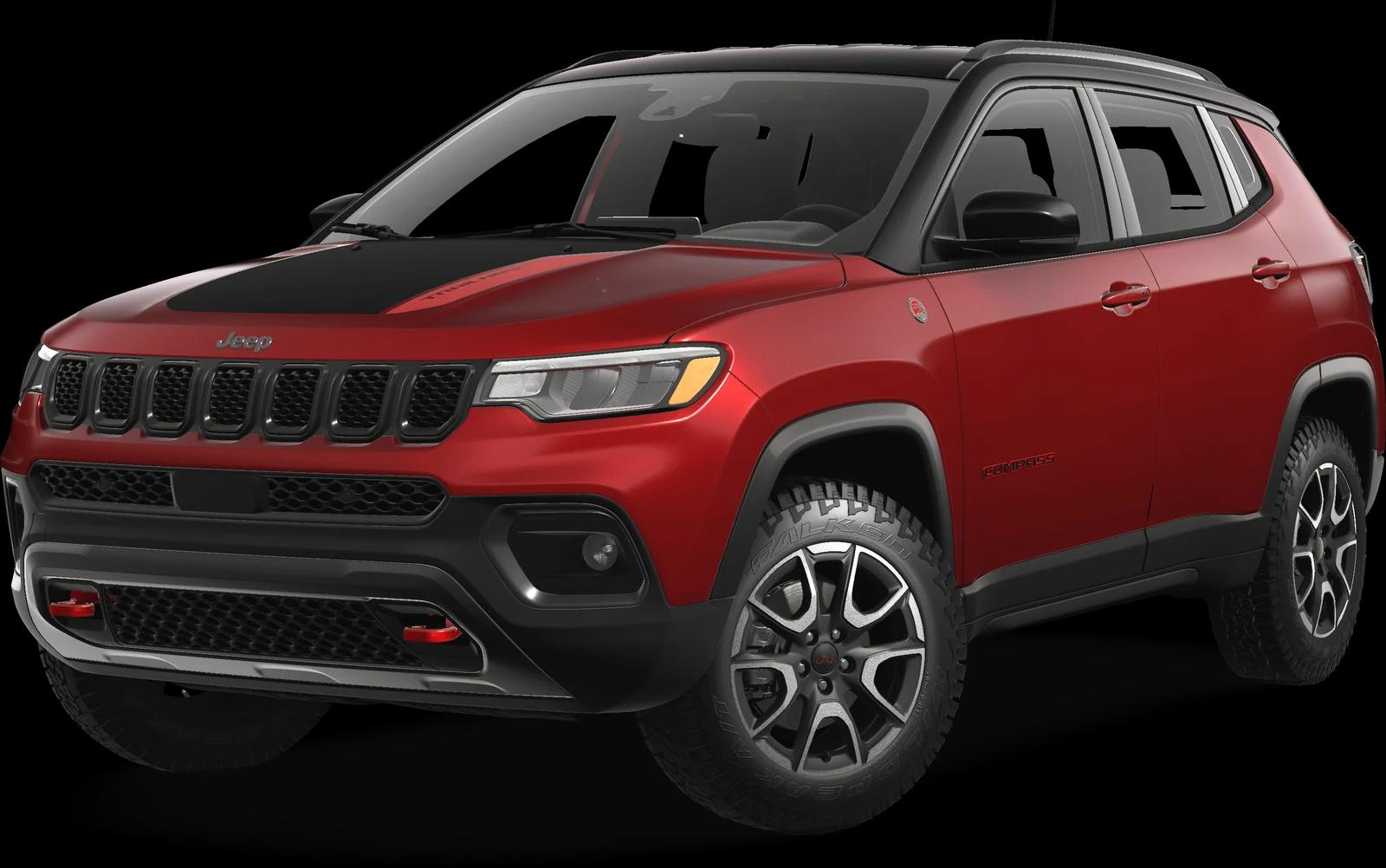
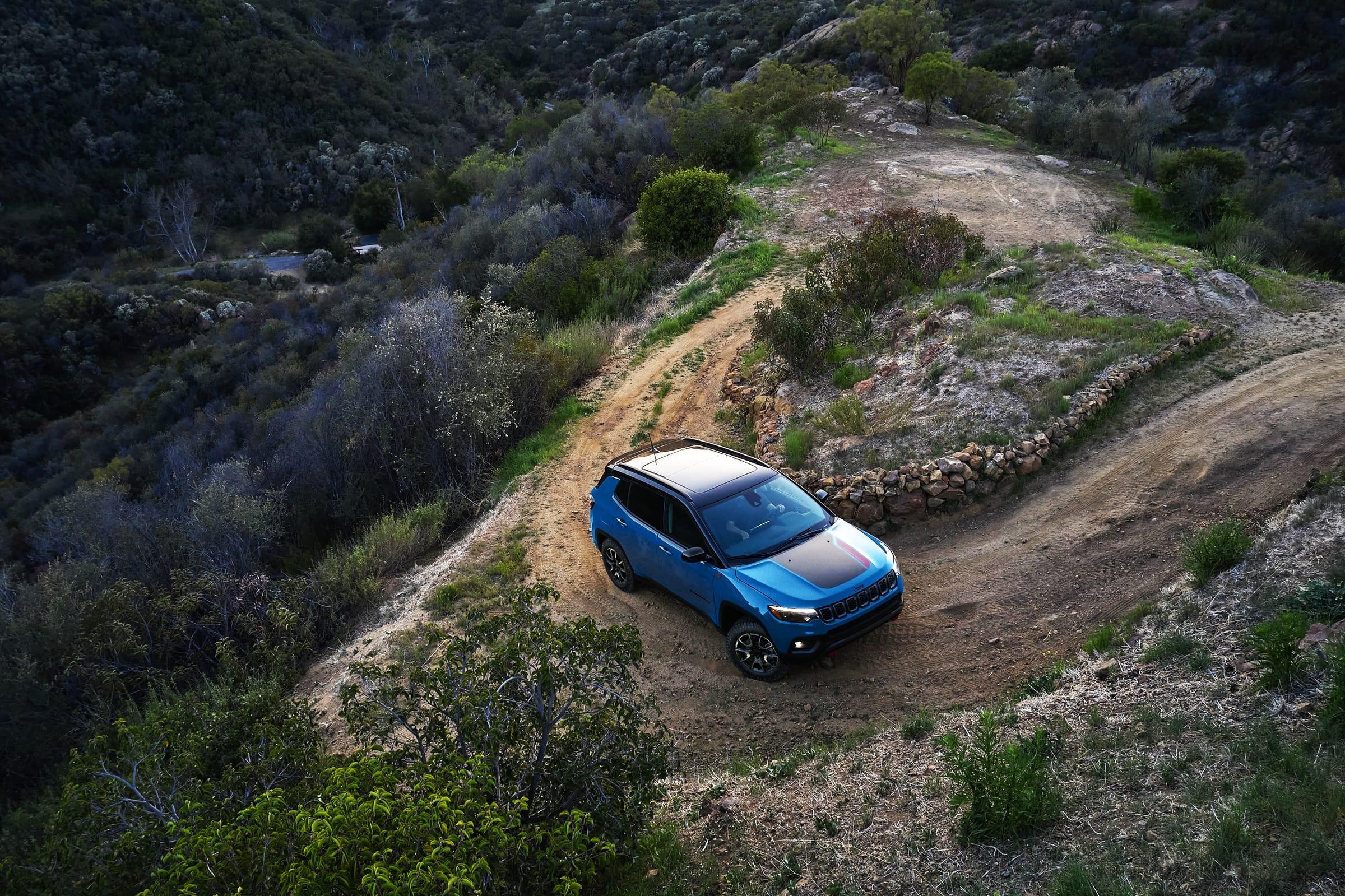
| Jeep Compass | 21 mpg | 29 mpg | 24 mpg | not stated |
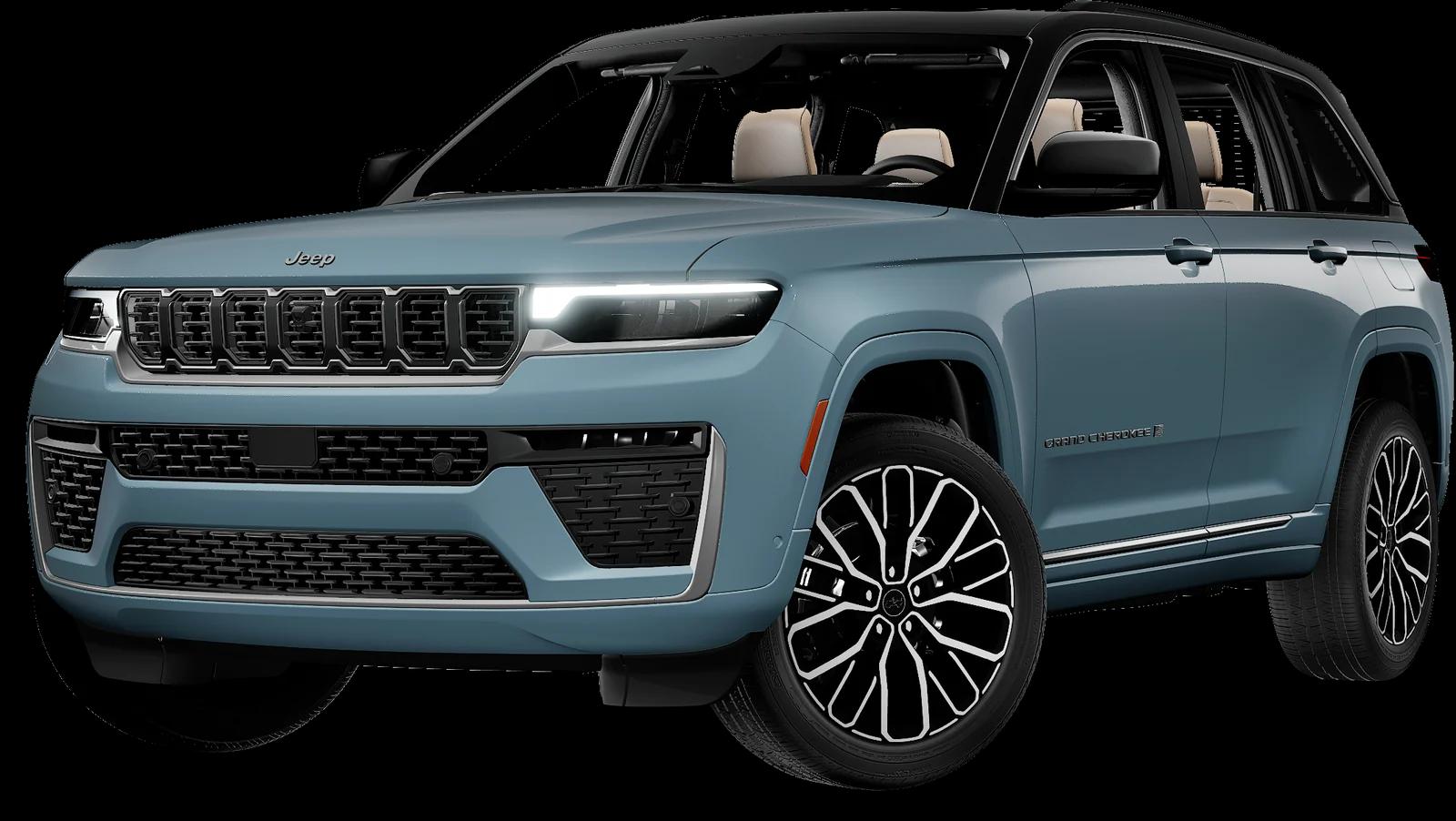
| Jeep Grand Cherokee (turbo, 4x4) | 20 mpg | 25 mpg | 22 mpg | not stated |
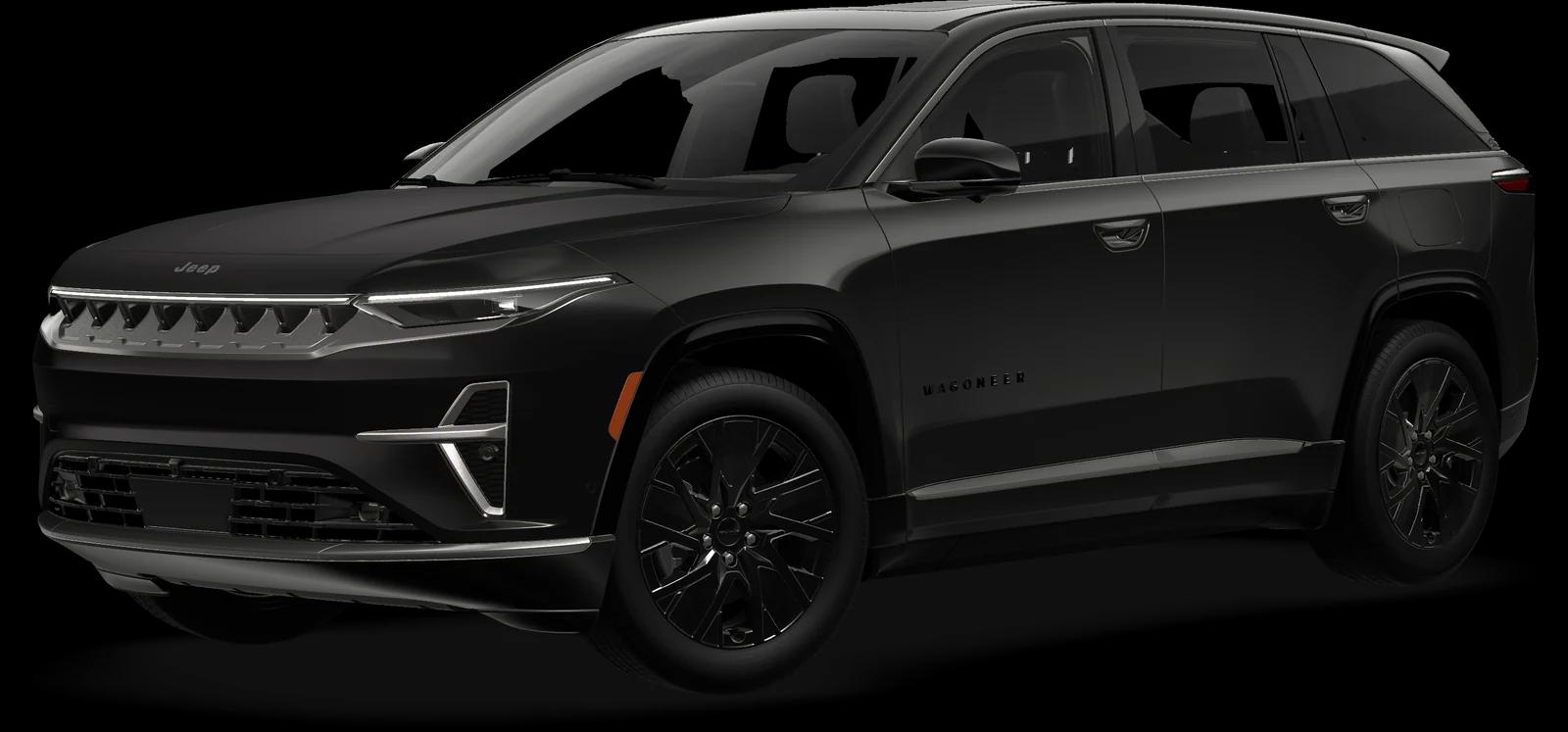
| Jeep Wagoneer S | 100 MPGe | 85 MPGe | 93 MPGe | 294 miles |
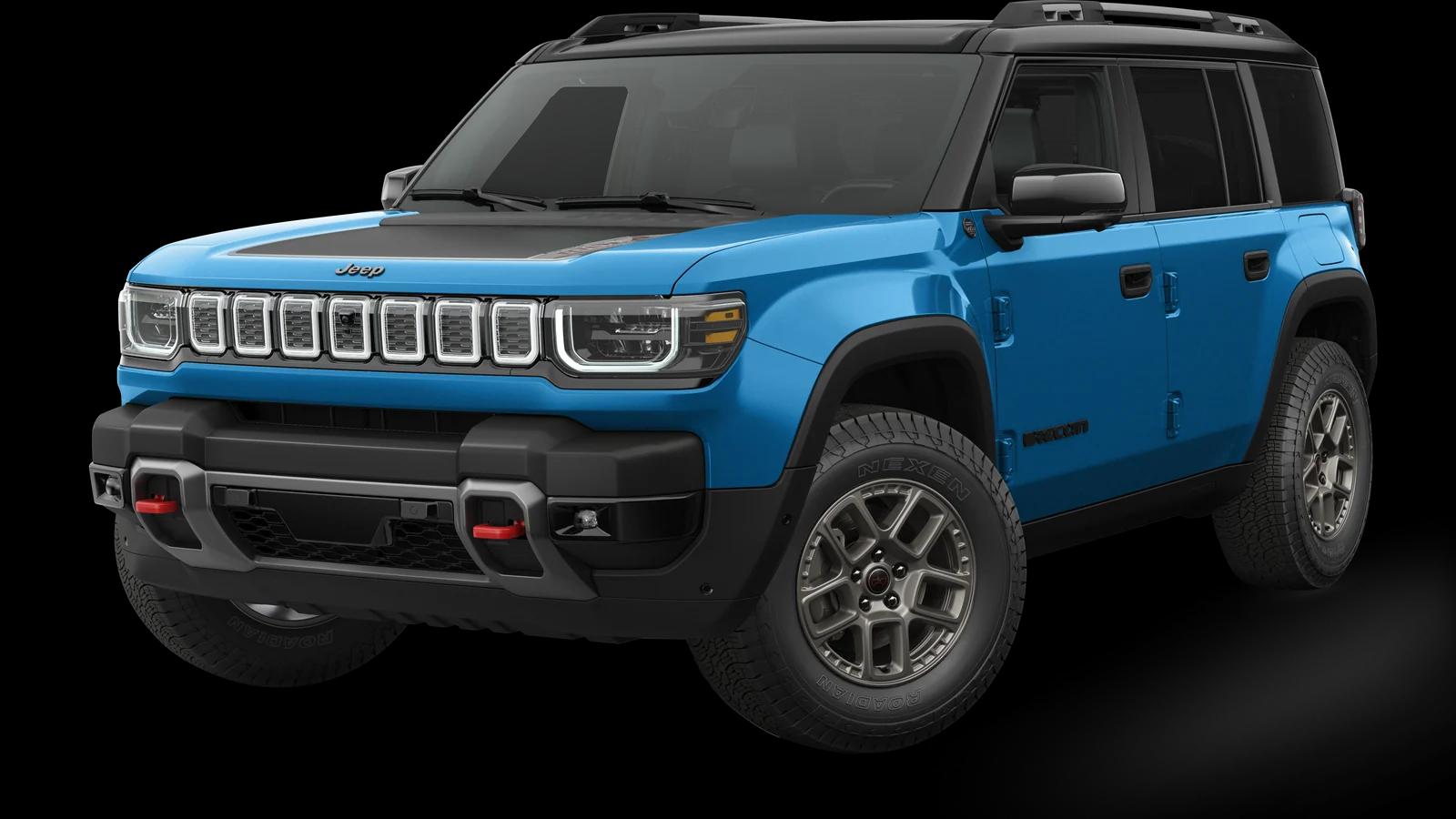
| Jeep Recon (Moab) | 80 MPGe | 62 MPGe | 71 MPGe | up to 222 miles |
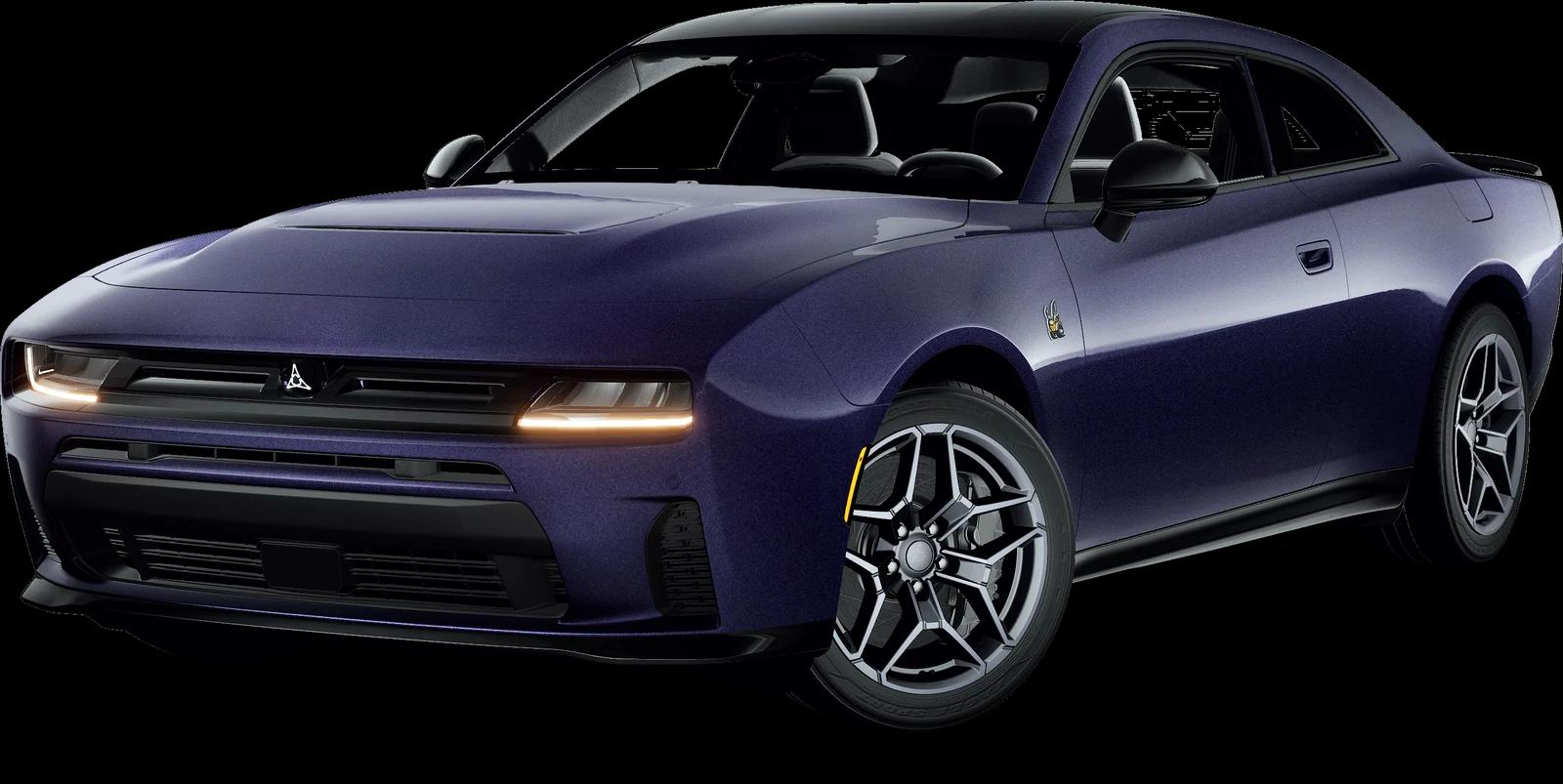
| Dodge Charger Daytona | 93 MPGe | 79 MPGe | 86 MPGe | up to 267 miles |
A few notes on that table. The Cherokee's figures are from the EPA listing for non-Trailhawk trims, and the Trailhawk is rated lower at 33 city, 29 highway and 31 combined. The Charger Daytona's numbers belong to the 267-mile tire package, and it drops to 231 or 241 miles with the larger rear tires. The Wagoneer S range is for the 2025 model year with the standard tires. As a quick check, the Cherokee's 13.7-gallon tank multiplied by its 37 mpg combined rating works out to about 507 miles, which lines up with Jeep's claim. That is a rough estimate worked out here, not a promise.
Plug or no plug
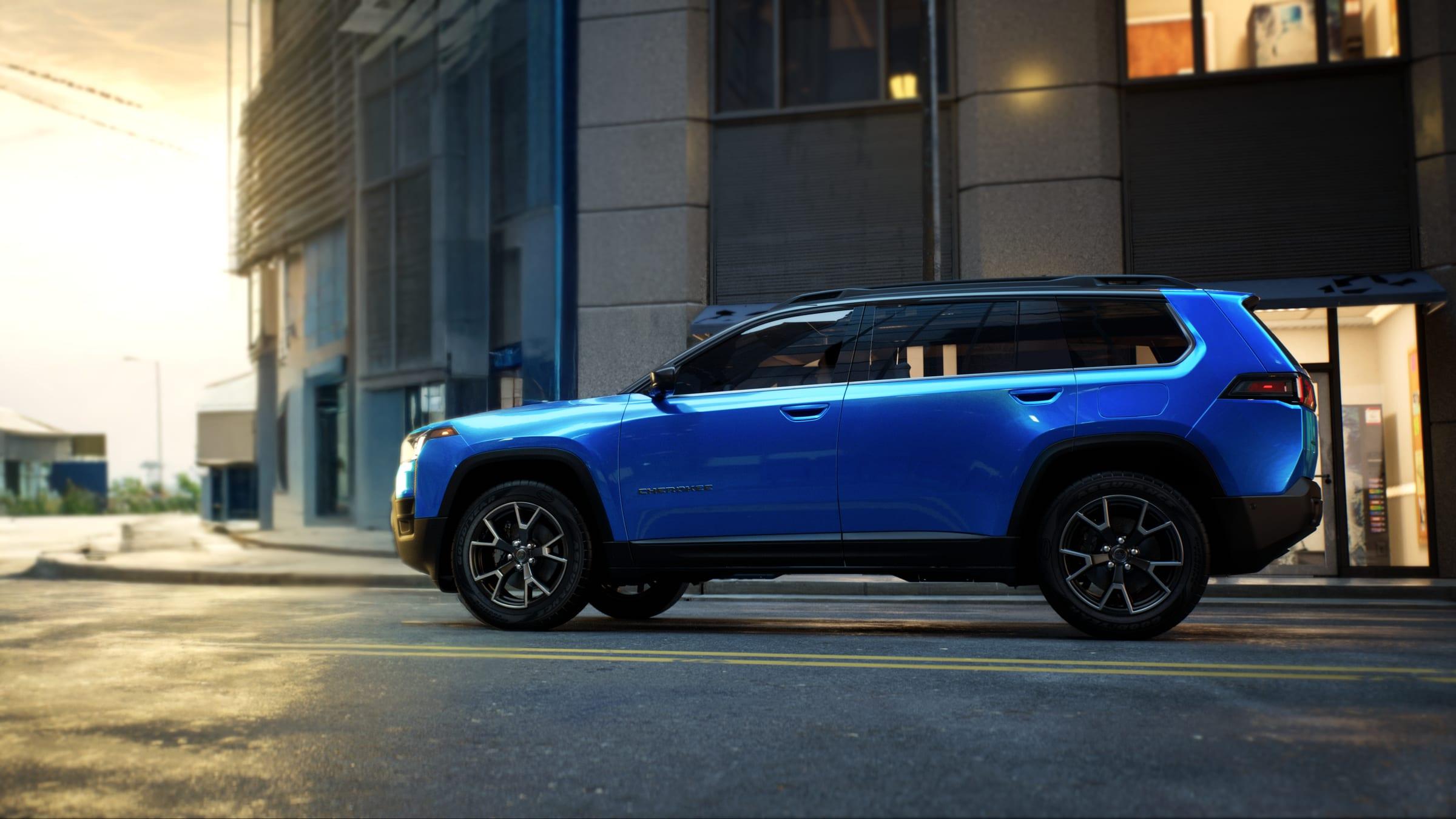
Not everyone can charge at home. Many Northeast commuters live in apartments, multifamily houses or on street-parked blocks in Jersey City, Queens or Philadelphia. For them, the Cherokee is the lower-friction answer. It is a hybrid with a 1.08-kWh battery that charges through braking, so there is nothing to plug in. Jeep also makes four-wheel drive standard.
If you can charge at home, the electric models make a stronger case. Jeep says the Wagoneer S can charge from 20 to 80 percent in about 23 minutes on a DC fast charger, while a 240-volt Level 2 charger needs about six hours, and a standard 120-volt outlet needs about 32 hours. The Recon takes about 28 minutes for 5 to 80 percent on DC fast charging, 6.8 hours on Level 2 and 52 hours on a wall outlet. The Charger Daytona has a native NACS port, a 183 kW peak charge rate and, with a 350 kW charger, can go from 20 to 80 percent in about 27 minutes.
Cold weather matters. Jeep notes that range will drop in cold, at high speeds and when towing, so budget a winter margin on any electric vehicle and keep the battery warm by preconditioning while plugged in. Check charging options near your workplace and park-and-ride lot before you buy, because you cannot assume a charger will be available there.
Adaptive cruise and driver assistance
Adaptive cruise control with stop-and-go is the feature that most changes a Turnpike commute. It holds a gap to the car ahead and brakes to a halt, then resumes, which saves your right foot in a crawl.
Here is where it appears, from the manufacturers' trim lists:
- Cherokee: The base trim lists Adaptive Cruise Control with Stop and Go, along with an Active Driving Assist System, Active Lane Management and blind spot monitoring.
- Compass: Latitude, at $29,990 starting MSRP, already lists adaptive cruise with stop and go. Driver Assist Group I, at $995 on Limited, Trailhawk and Limited Altitude, adds the Active Driving Assist System and Traffic Sign Recognition.
- Grand Cherokee: Laredo lists adaptive cruise control and Active Lane Management. Laredo Altitude adds Active Drive Assist and Traffic Sign Recognition.
- Recon: Moab lists the Active Driving Assist System, Active Lane Management and blind spot monitoring as part of its single trim.
- Wagoneer S and Charger: The highlights Jeep and Dodge publish do not call out adaptive cruise, so ask for the full equipment list on the exact trim before you commit.
None of these systems replace the driver. Keep your hands ready and your eyes on the road, especially near merges and exit ramps.
Seats and the long sit
An hour each way makes the seat a major feature. Heated seats help on January mornings, and ventilated seats help on August afternoons.
The Cherokee Laredo, at $38,130, adds a heated eight-way power driver seat, and Limited, at $40,130, adds a six-way power passenger seat and a heated steering wheel. The Recon Moab comes with heated eight-way power front seats, two-way lumbar and a heated wheel, and its $1,995 Comfort Package adds ventilated front seats and heated second-row seats. On the Wagoneer S, Limited has a 10-way power driver seat, the $4,000 Comfort Package adds ventilated front seats, and Launch Edition has a 16-way driver seat with massage.
The Charger is a different animal. Its low 5.5-inch ground clearance and sporty seats suit a performance driver more than a pothole-weary commuter. If you choose one, look at the Scat Pack Plus or Daytona, which list heated and ventilated front seats.
Park-and-ride and winter mornings
Park-and-ride drivers leave a vehicle outside for a full day. Remote start becomes valuable, and the Compass Latitude, Cherokee Laredo and Grand Cherokee Laredo X all list it. Winter salt tracks into the carpet fast, so also consider all-weather floor mats. The Compass offers an All-Weather Package by Mopar for $345.
Potholes deserve a mention. A vehicle with a lower ride height has less margin when a Turnpike pothole appears. The Compass has 8.1 inches of ground clearance in 4x4 form, the Wagoneer S 6.4 inches and the Charger 5.5 inches.
Choosing by commute
For a long daily drive with no plug at home, the Cherokee hybrid is the strongest all-rounder. For a driver with a home charger and a high daily mileage, the Wagoneer S has the most range of the three electric models. The Recon suits those who want electric power with a more rugged character, and the Charger suits those who want fun. The Compass remains the lowest-priced route to adaptive cruise, and the Grand Cherokee fits commuters who also need room and towing.
Prices are starting MSRPs before destination as of November 2026, and they change.