Northeast guides · PA
Rowhouses, Ridges and Snow Belts: Matching a New Vehicle to Pennsylvania
Pennsylvania packs several kinds of driving into one state: Philadelphia rowhouse blocks, Pittsburgh's steep hills, the long ridge-and-valley run of the Turnpike and Erie's heavy lake snow. This guide picks new Chrysler, Dodge, Jeep and Ram models by those conditions, drawing on manufacturer specs so the recommendations rest on real figures.
Our picks for Pennsylvania
Philadelphia's rowhouse blocks and tight curbs
Much of Philadelphia was laid out for carts, not crossovers. Rowhouse blocks have narrow streets, parked cars on both sides and few driveways, so the first test of any new vehicle is whether you can park it near your front door at 7 p.m. on a weeknight.
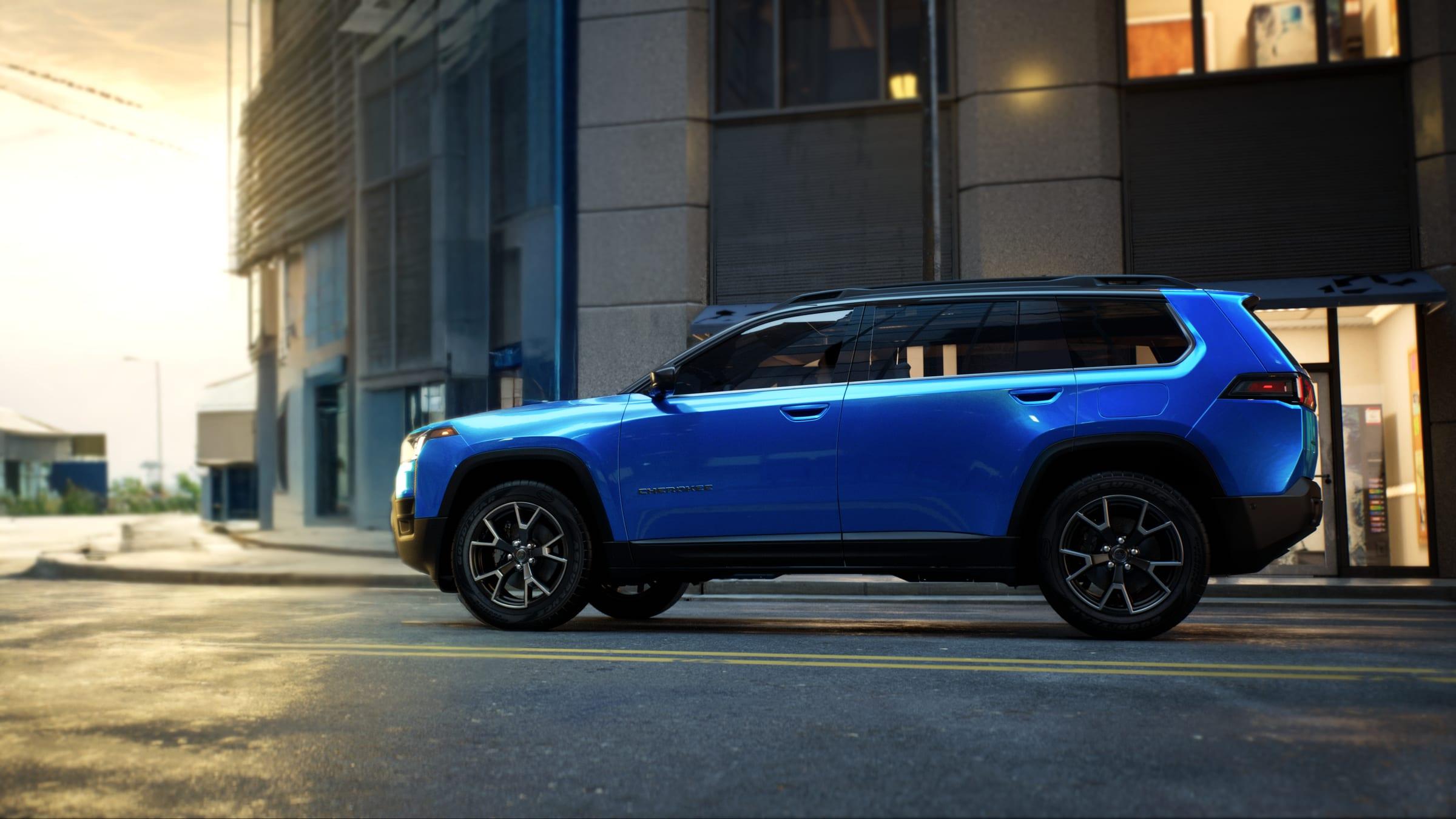
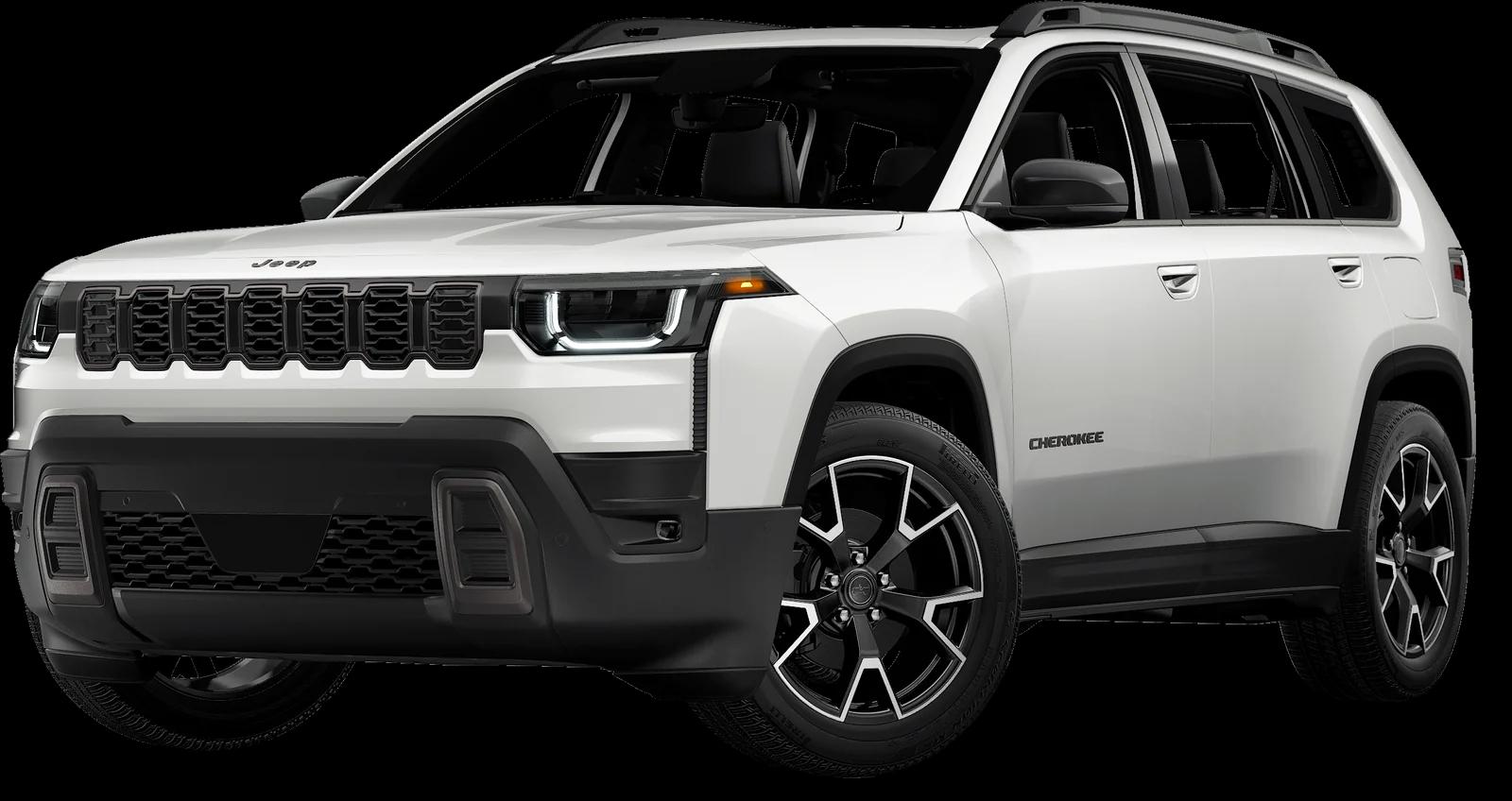
Size is the deciding factor. The Jeep Compass measures 173.4 inches long with mirrors folded and has a 36.3-foot turning diameter, which makes tight U-turns easier. The Cherokee is a bit bigger, at 188.1 inches long and 83.6 inches wide at the mirrors, and its hybrid system is rated up to 39 mpg in the city by Jeep's estimate, helpful for stop-and-go on Roosevelt Boulevard and Broad Street.
Small businesses need different math. Plumbers, electricians and caterers working row houses often need a van that is easy to park. Ram lists the ProMaster City with a 129-inch wheelbase and a 111-inch load floor length, and 2,200 pounds of payload, a good fit for tools and parts without needing a full-size van's footprint. Starting MSRP is $37,400 before destination; prices change.
For street parkers, mirrors and curbs are the real hazard. Check city parking rules with the Philadelphia Parking Authority, and test any vehicle on a block like yours before buying.
Pittsburgh: hills, bridges and tunnel approaches
Pittsburgh drivers deal with a vertical city. Streets in neighborhoods like Mount Washington, Polish Hill and Troy Hill climb at grades that make stopping on ice a real problem, and the region's rivers mean constant bridge and tunnel traffic.
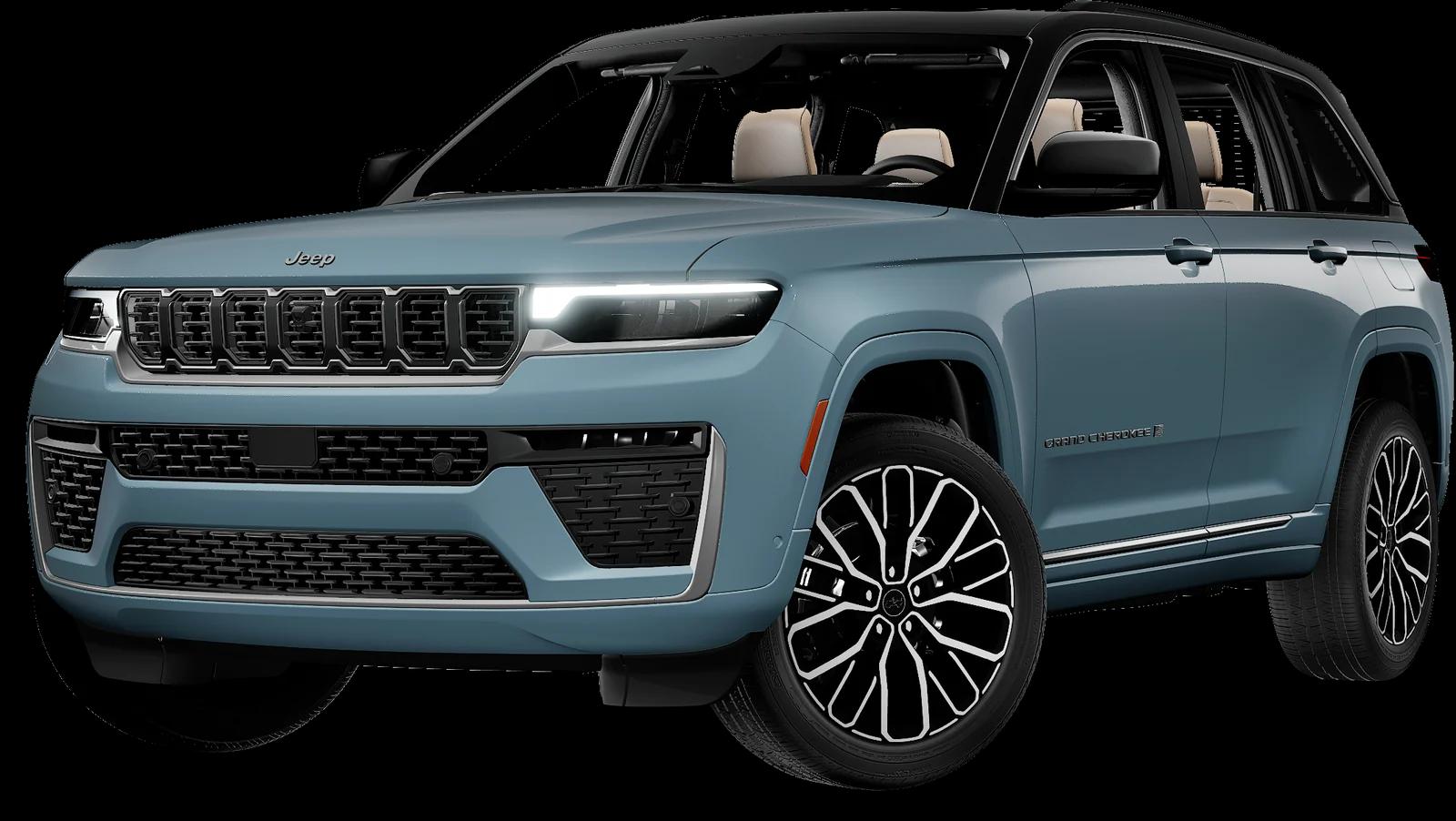
Traction on a steep street is worth paying for. All-wheel drive is available on the Chrysler Pacifica Select, Limited and Pinnacle, rated at 17 city and 25 highway mpg in AWD form, and the Grand Cherokee offers 4WD with 8.4 inches of clearance on standard suspension. For a smaller footprint, the Cherokee's standard Jeep Active Drive II is hard to beat for hilly commutes.
Pittsburgh's tight parking calls for smaller vehicles too. The Compass in 4x4 gives you 8.1 inches of clearance and fits where bigger crossovers cannot.
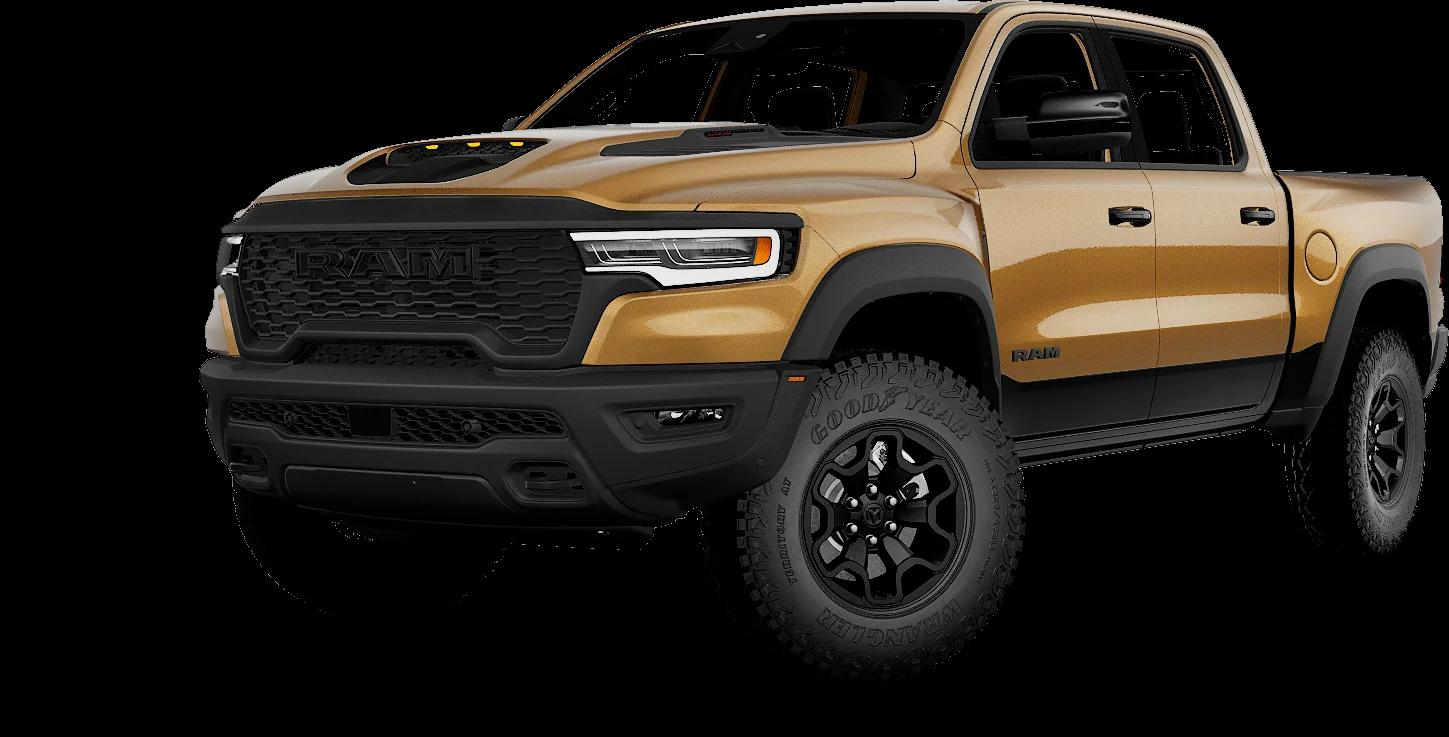
Western Pennsylvania also means gas and oilfield work, where trucks rule. The Ram 2500 offers payload up to 4,580 pounds and towing up to 20,000 pounds, which suits a contractor hauling equipment from the Strip District to a drilling site. Starting MSRP is $48,040 before destination.
Learn the hill-start routine on steep streets, and consult PennDOT on winter road conditions and any posted weight restrictions on bridges.
Turnpike days: the Pennsylvania Turnpike across the ridges
Crossing Pennsylvania on the Turnpike is a six-hour test of comfort. The road climbs through the Allegheny ridges and tunnels, passes Harrisburg and the Lehigh Valley and runs all the way to the Delaware River. Long stretches with few services call for a vehicle that is quiet, stable and efficient.
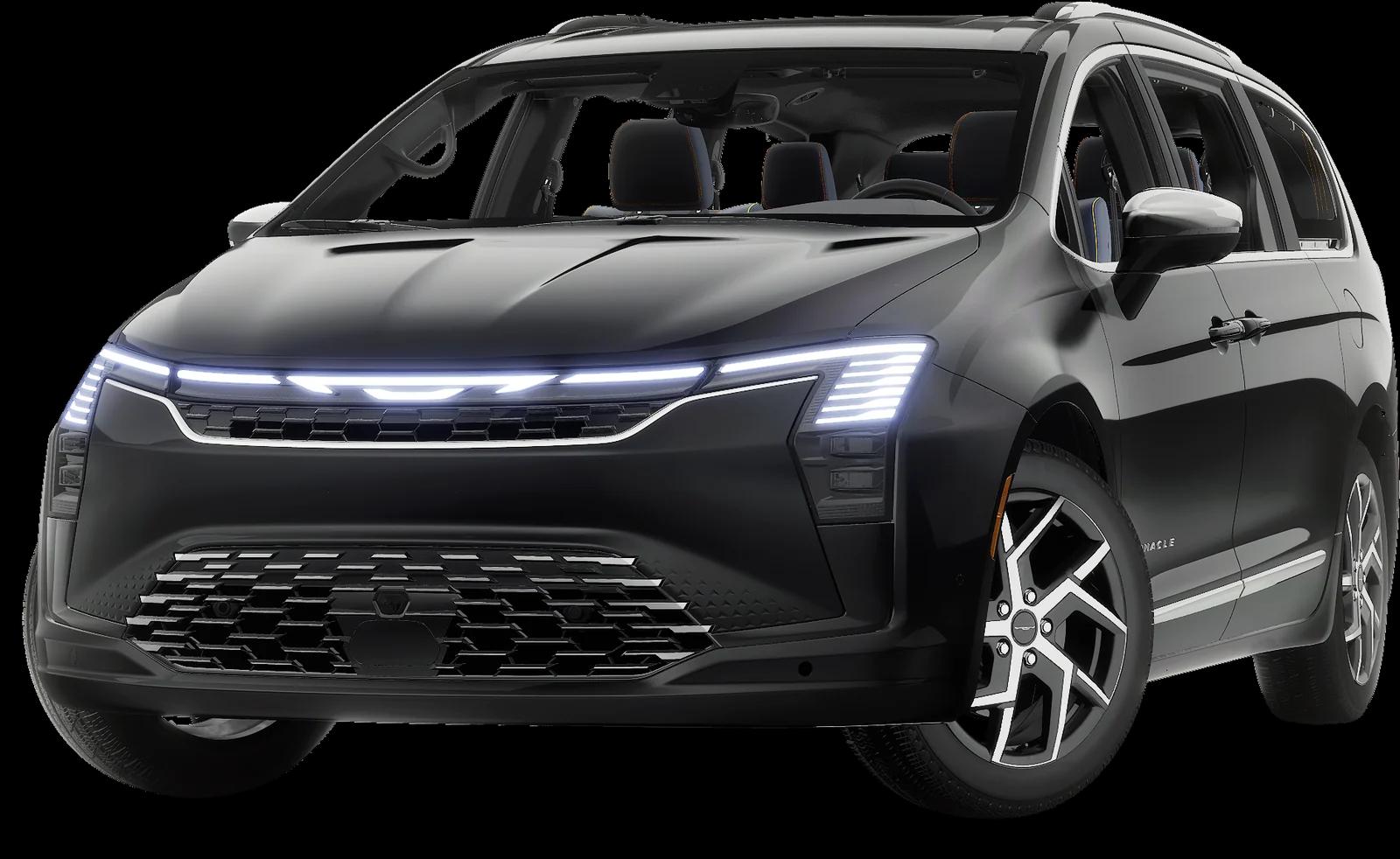
The Chrysler Voyager and Pacifica both carry a 19-gallon tank, and Chrysler estimates the Voyager at up to 532 miles of highway range. That is a lot of Turnpike between fill-ups. They seat seven, and Chrysler lists up to 140.5 cubic feet of cargo with the seats folded away, which handles a full family trip to Pittsburgh or Philadelphia.
If you drive for pleasure, the Dodge Charger R/T is rated 17 city and 26 highway mpg, and the Daytona electric version lists up to 267 miles of range with a 183 kW peak charging rate. Plan charge stops on the Turnpike rather than assuming availability.
Winter is a factor. The Turnpike's mountain sections are often hit by squalls, so all-wheel drive and good tires matter. Check PA Turnpike Commission alerts before you leave, and carry water, a blanket and a charged phone.
Central Pennsylvania: farms, deer season and warehouses
Harrisburg, Allentown and the valleys around them mix farmland, quiet two-lane roads and one of the densest warehouse corridors on the East Coast. Daily driving here is a blend of long county routes and busy interstate interchanges, with trucks everywhere.
Deer are the hazard that defines the region. Pennsylvania has one of the largest deer populations in the eastern United States, and collisions peak in the fall rut at dawn and dusk. A vehicle with good brakes, headlights and a taller seating position helps; so does slowing down on wooded stretches. Brake firmly and stay in your lane rather than swerving.
For farm, firewood and trailer work, the Ram 1500 is the daily truck, with towing up to 11,530 pounds and payload up to 2,340 pounds. Starting MSRP is $42,575 before destination. Moving up in capacity, the Ram 3500 lists up to 37,020 pounds of towing and 7,580 pounds of payload, suited to a livestock trailer or a heavy flatbed.
Warehouse and delivery fleets around Allentown and Harrisburg should look at the ProMaster, which Ram lists with up to 524 cubic feet of cargo space and payload up to 4,750 pounds. The Gladiator, with a 60.3-inch bed and up to 7,700 pounds of towing, is a pick for weekenders who want an open bed and a removable top.
Poconos weekends and the Erie snow belt
The Poconos draw New Yorkers and Philadelphians for skiing, lakes and waterfalls, and the roads there can turn slick in an hour. Erie, on the lake, gets the opposite scale of winter: lake-effect snow can pile up in days, and the city often tops the state's snowfall charts.
For the Poconos, a mid-size SUV with proper traction makes sense. The Grand Cherokee has up to 11.4 inches of clearance on the Trailhawk and a 6,200-pound tow rating. The Durango is the three-row alternative, rated at up to 8,700 pounds of towing and 8.0 inches of clearance on select trims.
In Erie, the Cherokee and Compass are everyday choices with standard 4x4 and fuel economy that does not sting, and the Compass starts at $29,990 MSRP before destination. Pair either one with snow tires and keep an emergency kit in the cargo area.
For cabins down gravel roads in the Poconos, the Wrangler is a capable pick: Jeep lists up to 12.9 inches of clearance and fording of up to 34 inches on Rubicon trim with larger tires. Verify local road conditions and seasonal closures through PennDOT and county sources before heading out.
Pennsylvania buyer FAQ
What is the best new vehicle for narrow Philadelphia streets?
The Jeep Compass is the most compact choice, at 173.4 inches long with a 36.3-foot turning diameter. The Cherokee hybrid is a step up in size but returns up to 39 mpg in the city by Jeep's estimate. For trades, the Ram ProMaster City has a 129-inch wheelbase and is easier to park than a full-size van.
Do I need four-wheel drive for Pittsburgh hills?
Many drivers there choose it. Steep grades and ice are a bad mix, and the Cherokee, Compass and Grand Cherokee all offer 4x4 or 4WD. The Pacifica offers AWD on Select, Limited and Pinnacle trims. Whatever you buy, winter tires add stopping power that drive type alone cannot. Test any candidate on a steep street near you.
Which truck makes sense for central Pennsylvania farm work?
The Ram 1500 handles most daily tasks, with towing up to 11,530 pounds and payload up to 2,340 pounds. For heavier trailers, the Ram 2500 lists up to 20,000 pounds of towing and 4,580 pounds of payload. Match the configuration to your trailer's actual weight, because ratings vary by cab, axle and engine.
How should I think about deer season when choosing a vehicle?
No model makes a deer strike harmless, but visibility, braking and a calm response help. Drive slower at dawn and dusk in wooded areas, brake in a straight line instead of swerving, and use high beams where it is safe. A taller SUV or truck gives a better sightline over roadside brush than a low sedan does.
More Northeast guides